When building or upgrading a home in Florida, exterior materials are not just about looks—they’re about survival in a climate that brings intense heat, heavy rain, humidity, salt air (in coastal areas), and even hurricanes.
Among the most popular choices for durable, long-lasting exteriors are brick and stone masonry. Both are strong, attractive, and widely used, but they perform differently depending on environment, maintenance habits, and long-term goals.
If you’re deciding between brick and stone for a Florida home, the right answer depends on more than appearance. You need to consider moisture resistance, structural performance, maintenance needs, and cost over time.
This guide breaks down both materials in real-world conditions so you can understand which one fits Florida homes better.
Understanding Masonry in Florida’s Climate
Florida is one of the most demanding environments for exterior construction materials.
Homes here must withstand:
- High humidity year-round
- Heavy rainfall and tropical storms
- Salt exposure in coastal regions
- Intense UV sunlight
- Hurricane-force winds
- Rapid temperature and moisture changes
These conditions accelerate wear and tear on building materials, especially anything porous or moisture-sensitive.
Both brick and stone can perform well—but only when properly installed and maintained.
What Is Brick Masonry?
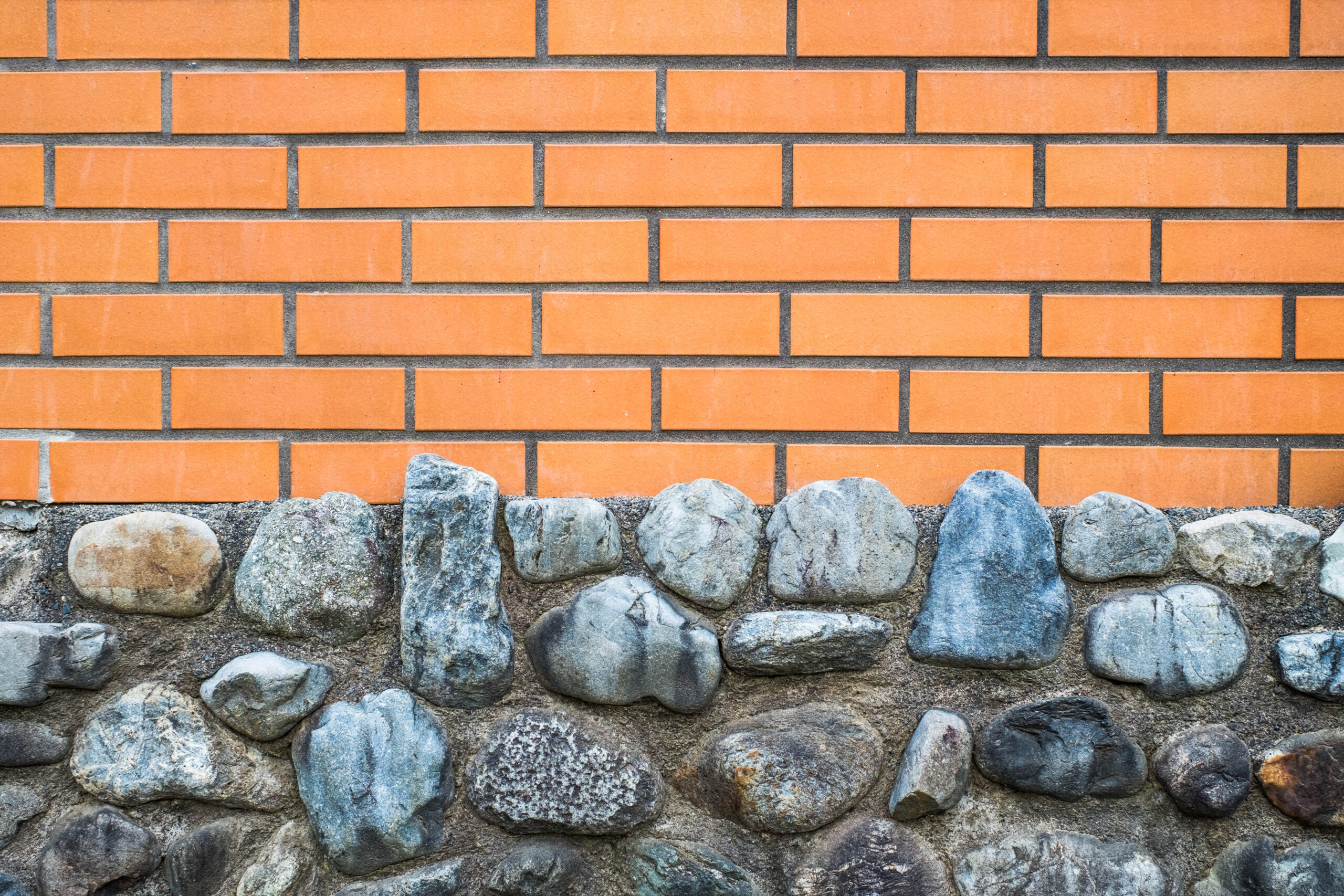
Brick masonry is made from fired clay units held together with mortar. It is one of the oldest and most widely used construction materials in the world.
Key characteristics:
- Uniform shape and size
- Manufactured material (clay or shale)
- Porous but durable
- Installed in structured patterns
Brick is commonly used for:
- Home exteriors
- Structural walls
- Chimneys
- Outdoor patios and walkways
What Is Stone Masonry?
Stone masonry uses natural stone materials such as granite, limestone, or sandstone. These stones may be cut into uniform shapes or used in more natural, irregular forms.
Key characteristics:
- Naturally occurring material
- Extremely dense and heavy
- Highly durable
- Unique, non-uniform appearance
Stone is often used for:
- Luxury home exteriors
- Accent walls
- Columns and features
- Retaining walls and landscaping
Durability in Florida Weather Conditions
Durability is one of the most important factors when choosing between brick and stone.
Brick performance:
Brick is strong but moderately porous. This means it can absorb moisture over time if not properly sealed or maintained.
In Florida’s humid environment:
- Brick can absorb water during heavy rains
- Freeze-thaw is less of an issue in Florida, but moisture cycling still occurs
- Mortar joints may weaken faster due to humidity
Stone performance:
Stone is generally denser and less porous than brick (depending on type).
Advantages include:
- Better natural resistance to water penetration
- Stronger against erosion
- Longer lifespan in harsh environments
However, some softer stones (like limestone) may still absorb moisture.
Verdict:
Stone generally has a durability advantage in Florida’s climate, especially for long-term exposure to moisture and salt air.
Moisture Resistance and Water Damage
Moisture is one of the biggest threats to masonry in Florida.
Brick:
Brick is porous, meaning water can slowly enter the material. Over time, this can lead to:
- Efflorescence (white salt deposits)
- Spalling (surface flaking)
- Mortar deterioration
- Mold growth in trapped moisture areas
Proper sealing and drainage are essential for brick longevity.
Stone:
Stone is typically denser and less absorbent, making it more resistant to water intrusion.
However:
- Natural cracks or poor installation can still allow moisture entry
- Certain stones are more porous than others
Verdict:
Stone generally performs better against moisture, but both materials require proper installation and waterproofing in Florida.
Resistance to Hurricanes and High Winds
Florida homes must be built with storm resistance in mind.
Brick:
Brick provides excellent structural strength when properly reinforced. It is commonly used in load-bearing walls and performs well in high wind conditions.
However:
- Mortar joints can weaken over time
- Poor installation can reduce wind resistance
Stone:
Stone is extremely heavy and durable, which makes it highly resistant to wind damage.
But:
- Installation quality is critical
- Poor anchoring can create safety risks during extreme storms
Verdict:
Both materials perform well in hurricanes when installed correctly, but stone’s weight gives it a slight advantage in extreme conditions.
Heat and Sun Exposure
Florida’s intense sunlight and heat can affect exterior materials over time.
Brick:
- Retains heat longer
- Can fade slightly over time depending on finish
- Generally stable under UV exposure
Stone:
- Naturally UV-resistant
- Maintains color and texture longer
- Less heat absorption in many stone types
Verdict:
Stone performs better in long-term sun exposure and maintains its appearance longer in Florida’s climate.
Maintenance Requirements
Maintenance plays a big role in long-term cost and convenience.
Brick maintenance:
Brick requires periodic attention:
- Mortar joint inspection and repair (tuckpointing)
- Sealing every few years
- Cleaning to prevent algae or mildew growth
- Monitoring for cracks or spalling
Without maintenance, brick deterioration accelerates in humid climates.
Stone maintenance:
Stone generally requires less maintenance:
- Occasional cleaning
- Periodic sealing (depending on stone type)
- Inspection for cracks or joint issues
Because stone is more resistant to moisture, it typically requires fewer repairs over time.
Verdict:
Stone is lower maintenance overall, especially in humid Florida conditions.
Aesthetic Appeal and Home Value
Both brick and stone significantly enhance curb appeal, but they create very different visual effects.
Brick:
- Classic, traditional appearance
- Warm and uniform look
- Works well with colonial, craftsman, and modern homes
- Available in various colors and finishes
Brick gives a timeless residential feel and is widely accepted across neighborhoods.
Stone:
- Premium, high-end appearance
- Natural, textured, and unique look
- Often associated with luxury homes
- Works well for accent walls or full exteriors
Stone tends to stand out more visually and can increase perceived property value.
Verdict:
- Brick = classic and versatile
- Stone = premium and visually striking
Cost Comparison
Cost is often a deciding factor for homeowners.
Brick costs:
- Generally more affordable than stone
- Easier and faster to install
- Lower labor costs
Stone costs:
- More expensive material
- Higher labor costs due to installation complexity
- Requires skilled masonry work
Verdict:
Brick is more budget-friendly, while stone is a higher-end investment.
Installation Complexity
Brick installation:
- More standardized process
- Faster construction time
- Easier to repair or replace sections
Stone installation:
- Requires skilled craftsmanship
- Each piece may need custom fitting
- More time-consuming and labor-intensive
Verdict:
Brick is easier and faster to install, while stone requires more expertise.
What’s Better for Florida Homes Overall?
There is no single “perfect” answer, but we can break it down based on priorities:
Choose brick if you want:
- Lower upfront cost
- Classic, traditional appearance
- Easier repairs and maintenance
- Strong structural reliability
Choose stone if you want:
- Maximum durability in moisture-heavy climates
- Premium, luxury appearance
- Lower long-term maintenance
- Better resistance to weathering and UV exposure
Hybrid option (best of both worlds):
Many Florida homes use:
- Brick for structure
- Stone for accents (columns, entryways, facades)
This combination balances cost, durability, and aesthetics.
Final Thoughts
Both brick and stone are excellent masonry choices for Florida homes, but they serve slightly different purposes.
Brick offers affordability, reliability, and timeless design. Stone offers superior durability, premium aesthetics, and lower long-term maintenance.
In Florida’s demanding climate, the most important factor is not just the material itself—but how well it is installed, sealed, and maintained over time.
A well-built brick or stone system can last for decades, but choosing the right material for your goals and environment ensures your home stays strong, beautiful, and protected against Florida’s weather for years to come.