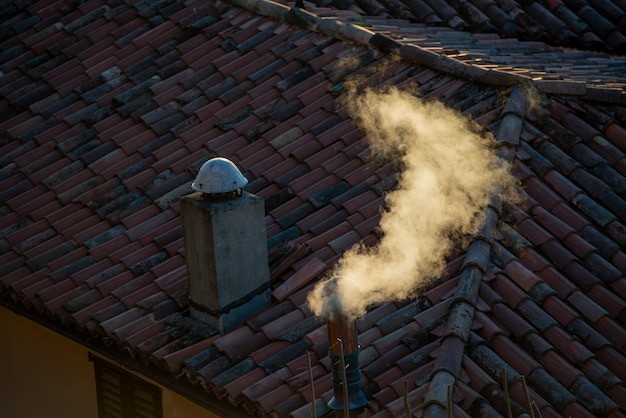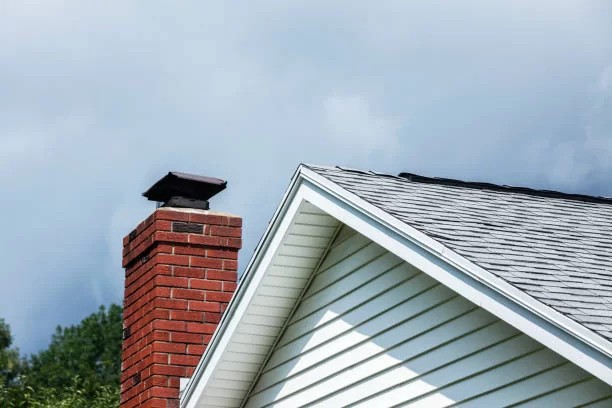
Do you know the difference between a metal chimney and a masonry chimney? When it comes to keeping your chimney safe and working properly, it’s crucial to understand how these two types require different cleaning and maintenance. If you’ve been searching for a chimney sweep Fort Myers, you’re in the right place to learn about the best practices for both metal and masonry chimneys.
In this blog, we’ll break down the specific care each type needs to keep your home safe, warm, and efficient.
Metal Chimneys: Lightweight, but Still Needing Care
Metal chimneys are often used in homes with wood stoves, gas appliances, or other types of venting systems. They are generally lightweight, quick to install, and more affordable compared to masonry chimneys. However, don’t let their ease of installation fool you into thinking they don’t need much care.
Cleaning and Maintenance for Metal Chimneys
Metal chimneys can accumulate creosote, a byproduct of burning wood, just like masonry chimneys. The key difference lies in how this creosote builds up. In metal chimneys, the heat is transferred more quickly, which can cause creosote to condense and form inside the flue. Regular chimney sweeping is a must for metal chimneys to avoid dangerous blockages.
How Often Should You Sweep a Metal Chimney?
The frequency of cleaning will depend on how often the chimney is used. For wood-burning systems, it’s generally recommended to have a chimney sweep Fort Myers at least once a year. If you burn a lot of wood or if you use the chimney more regularly, you may need more frequent inspections and cleaning.
Masonry Chimneys: Classic, but High Maintenance
Masonry chimneys, made from brick, stone, or other durable materials, are often found in older homes or in homes with traditional wood-burning fireplaces. These chimneys are sturdy and can last for generations with proper care, but they come with their own set of challenges.
Cleaning and Maintenance for Masonry Chimneys
Unlike metal chimneys, masonry chimneys tend to have a more complex structure, which means more places for creosote and debris to collect. The rough surface of brick and stone provides a greater area for creosote buildup. Over time, the moisture from the combustion process can erode the mortar and weaken the structure. If left unchecked, this can lead to cracks, which may result in leaks, fires, or other safety hazards.
How Often Should You Sweep a Masonry Chimney?
Masonry chimneys also require annual inspections and sweeps, but if there’s visible damage or if the chimney hasn’t been maintained for some time, it might need more attention. Creative Masonry and Chimney LLC can give you a complete inspection to assess the condition of your masonry chimney and ensure that the mortar and brickwork are intact.
Key Differences in Maintenance Protocols for Metal vs. Masonry Chimneys
While both metal and masonry chimneys require regular cleaning and inspection, there are some important differences in how to care for them.
-
Structural Considerations
Metal chimneys are more prone to damage from high heat, so it’s important to check for any dents or cracks. On the other hand, masonry chimneys are more likely to suffer from mortar deterioration, which can weaken the structure over time.
-
Cleaning Methods
For metal chimneys, you’ll often use special brushes to clean the smooth surfaces, whereas masonry chimneys may require more intense cleaning methods to remove creosote from the rough surfaces of the bricks or stone.
-
Safety Concerns
Both types of chimneys pose fire risks when not maintained, but masonry chimneys can also experience water damage from leaks. If moisture enters the chimney, it can weaken the mortar, causing structural issues that need repair.
-
Professional Help
It’s always best to leave the job to experts. Professionals from Creative Masonry and Chimney LLC can properly clean and inspect both types of chimneys, ensuring they are safe for use and won’t pose a risk to your home.
Tips for Maintaining Both Types of Chimneys
- Annual Inspections: No matter what type of chimney you have, an annual inspection is a must. This helps identify any potential issues before they become serious problems.
- Regular Sweeping: Even if you don’t use your chimney every day, regular cleaning will help keep creosote from building up, preventing dangerous blockages or fires.
- Check for Cracks and Leaks: Especially for masonry chimneys, look for any visible damage in the structure. For metal chimneys, check for corrosion or dents that could impact the efficiency and safety of the system.
In Closing: Professional Care is Key for Long-Lasting Chimneys
Taking care of your chimney is essential for the safety and comfort of your home. Whether you have a metal chimney or a masonry chimney, both require special care to keep them in great shape. If you’re looking for a chimney cleaning Fort Myers, trust Creative Masonry and Chimney LLC to help! Our team of professionals is dedicated to offering personalized service and expert care for all your chimney needs.
Don’t wait for a problem to arise, contact us at 941-216-1411 and get a quote today! We’re here to make sure your chimney stays clean, safe, and ready to keep you warm for years to come.
FAQs
2. What happens if I don’t clean my chimney?
Neglecting chimney cleaning can lead to dangerous creosote buildup, which can cause chimney fires. It can also damage your chimney, leading to expensive repairs.
3. Can I clean my chimney myself?
While it’s possible to clean a chimney yourself, it’s safer and more effective to hire a professional. They have the proper tools and knowledge to do the job correctly and safely.
4. How often should I inspect my masonry chimney?
You should have your masonry chimney inspected at least once a year, and more often if you notice any damage or signs of wear.
5. Can I use my chimney if it’s damaged?
It’s never safe to use a chimney that is damaged. Even minor issues, like cracks in the masonry, can lead to dangerous situations. Always get professional help if you suspect your chimney is in need of repair.