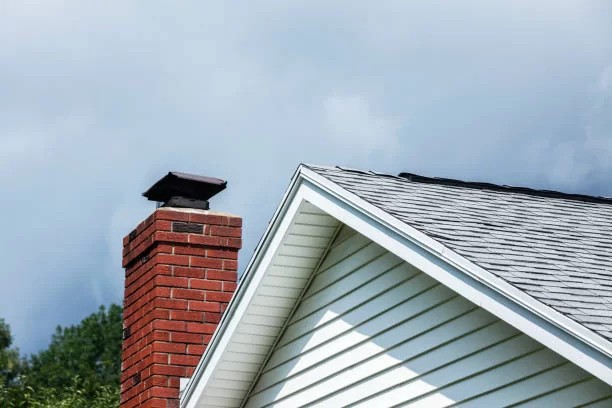
Chimney safety in Southwest Florida requires a different level of awareness than in many other parts of the country. Between year-round humidity, salt-heavy coastal air, tropical storms, and intense UV exposure, chimneys in Port Charlotte, Punta Gorda, Sarasota, Venice, Fort Myers, and nearby communities face constant environmental stress.
For homeowners and property managers, improving chimney safety is not just about preventing chimney fires. It is about protecting the entire structure from water intrusion, structural deterioration, and storm-related damage. Creative Masonry & Chimney, based in Port Charlotte, Florida, works with residential and commercial clients throughout Southwest Florida to strengthen, repair, and maintain chimneys built to withstand coastal conditions.
This guide explains how to improve chimney safety in Southwest, FL homes through inspections, repairs, protective upgrades, and professional expertise tailored to the Gulf Coast environment.
Understanding Coastal Chimney Risks in Southwest Florida
Southwest Florida’s coastal climate creates unique challenges for masonry chimneys. Unlike colder regions where freeze-thaw cycles dominate, homes in Sarasota, Venice, and Fort Myers face year-round moisture, salt exposure, and hurricane-force winds.
Salt-laden air from the Gulf of Mexico accelerates masonry deterioration. Over time, bricks, mortar joints, and metal components can corrode or weaken. Even inland communities such as Port Charlotte and Punta Gorda are close enough to the coast to experience these effects.
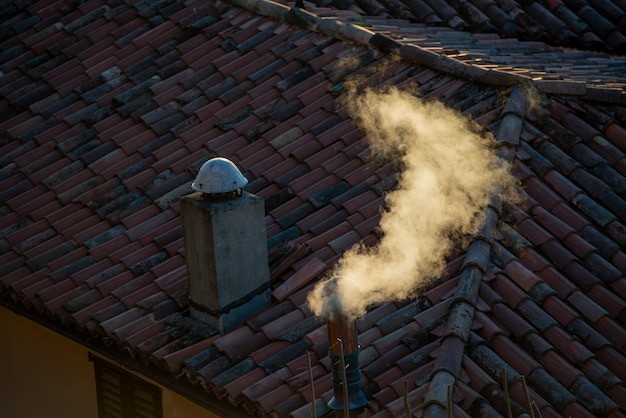
Chimneys are also one of the highest points on a roof, making them particularly vulnerable during severe weather. High winds can loosen flashing, dislodge chimney caps, and allow rainwater to penetrate the structure. Once water enters the chimney system, damage can spread quickly to framing, ceilings, and interior finishes.
Key coastal chimney risks in Southwest Florida include:
- Salt air corrosion of metal components
- Persistent humidity causing masonry moisture absorption
- Wind-driven rain entering flue openings
- Hurricane-force winds loosening caps and flashing
- UV exposure degrading sealants and exterior finishes
Understanding these risks is the first step toward improving chimney safety. Homeowners who recognize how coastal weather impacts their chimney are more likely to schedule preventative maintenance and address small issues before they become expensive repairs.
In coastal communities such as Sarasota and Punta Gorda, proactive chimney care is not optional. It is a necessary part of protecting the overall home envelope.
How Humidity and Salt Air Affect Masonry
Humidity is a constant factor in Southwest Florida. Even during dry seasons, moisture levels in the air remain high enough to affect masonry materials. Bricks and mortar are porous by nature, meaning they absorb water over time.
When moisture saturates masonry, several safety concerns develop. Mortar joints can soften and deteriorate. Efflorescence, the white powdery residue often seen on brick, indicates that water is moving through the masonry and bringing salts to the surface. More importantly, trapped moisture can lead to interior damage and weaken structural stability.
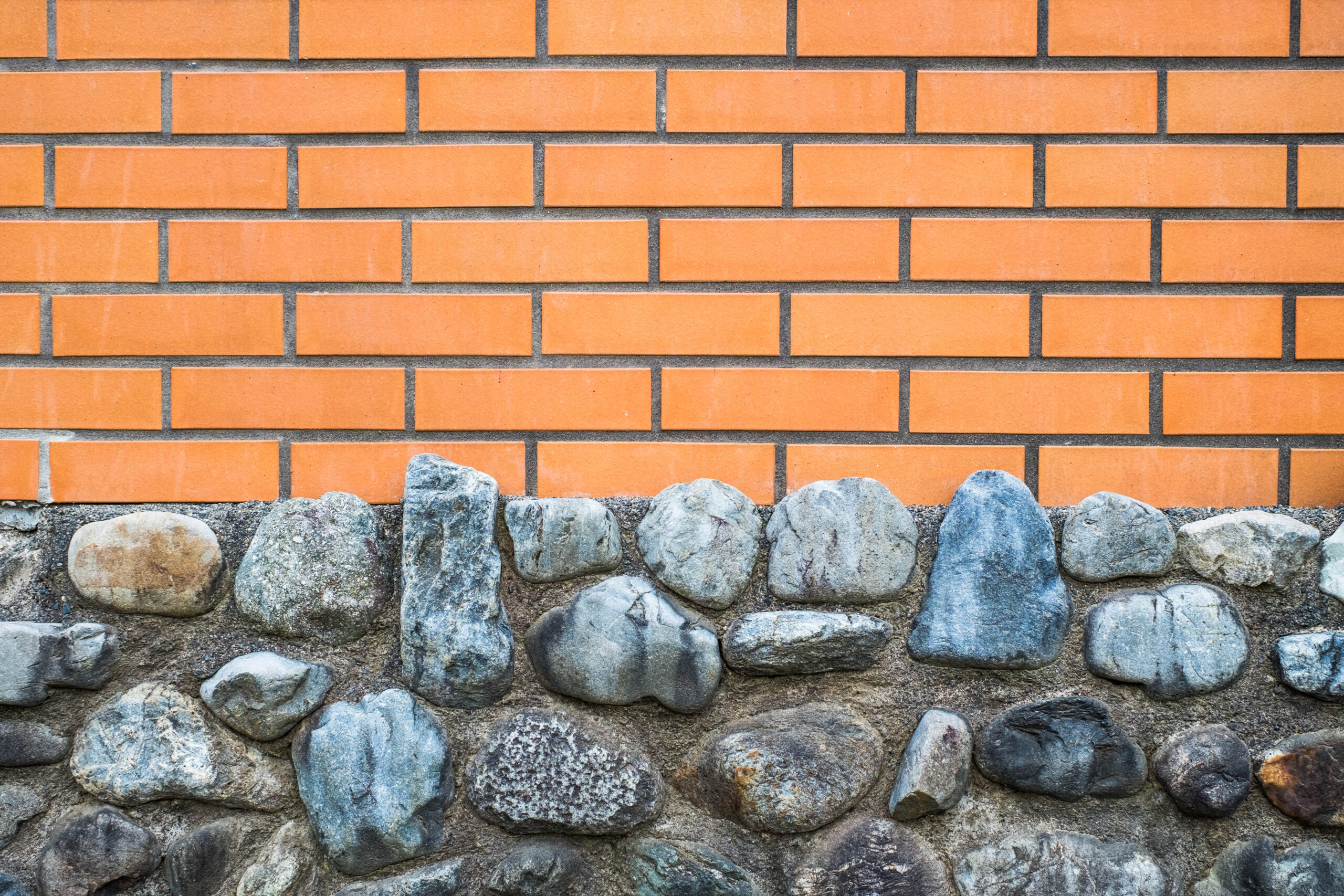
Salt air compounds the problem. Salt crystals penetrate masonry pores and expand, contributing to surface spalling and cracking. Over time, this cycle can compromise the chimney crown, brick faces, and mortar joints.
Common signs of humidity and salt air damage include:
- Crumbling or recessed mortar joints
- Flaking or spalling brick surfaces
- Rust stains from corroded metal components
- Interior water stains near the fireplace
- Musty odors inside the firebox
Addressing these issues early helps prevent more extensive structural damage. Professional masonry restoration techniques such as tuckpointing, crown repair, and waterproofing treatments are especially valuable in coastal Florida.
Creative Masonry & Chimney uses materials selected for Gulf Coast performance. This includes moisture-resistant mortars, proper chimney crown construction, and breathable masonry sealants designed to repel water while allowing vapor to escape. These measures improve both safety and longevity.
For homes in Sarasota, Venice, and surrounding communities, investing in moisture management is one of the most effective ways to enhance chimney safety.
Scheduling Annual Chimney Inspections in Sarasota Area
Annual chimney inspections are one of the most important steps homeowners can take to improve safety. Even if a fireplace is used infrequently, environmental factors in Southwest Florida can still cause deterioration.
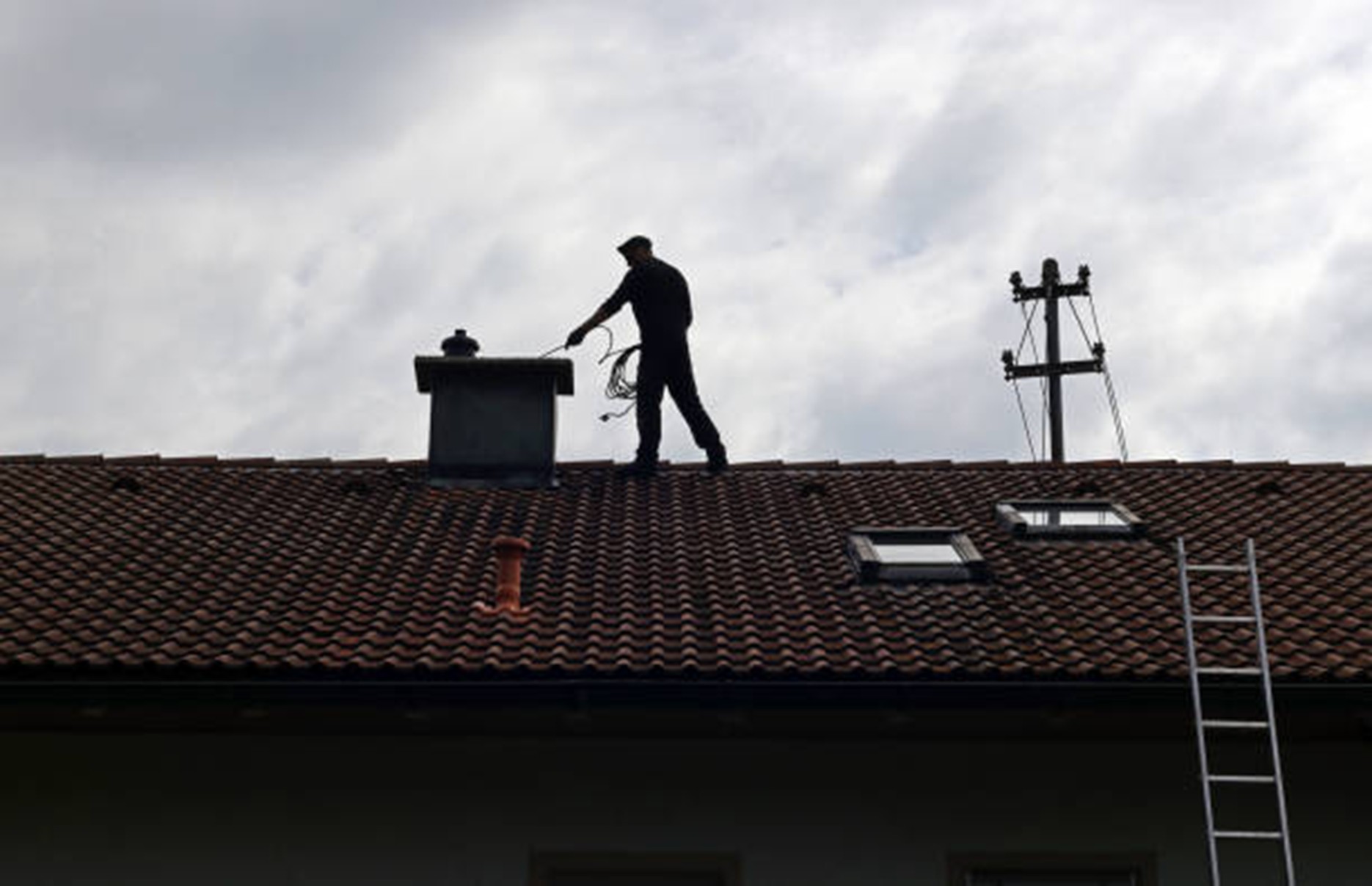
A professional chimney inspection evaluates the entire system, including the flue liner, masonry structure, crown, cap, flashing, and firebox. In coastal regions, inspectors also look closely for water intrusion and salt-related corrosion.
Homeowners in Sarasota and nearby communities often schedule inspections before storm season or before increased fireplace use during cooler months. Regular evaluations help identify small cracks, loose components, or flashing failures before they become hazardous.
An annual inspection typically includes:
- Visual examination of exterior masonry
- Assessment of mortar joints and chimney crown
- Inspection of flashing and roof connection points
- Evaluation of flue liner condition
- Review of chimney cap and spark arrestor
If problems are found, prompt repairs significantly reduce the risk of structural damage or fire hazards. Cracked flue liners, for example, can allow heat and gases to reach combustible framing materials. Loose flashing can channel water directly into attic spaces.
Creative Masonry & Chimney provides comprehensive chimney inspections throughout Port Charlotte, Sarasota, Venice, and Fort Myers. Their experience with local construction styles and coastal weather patterns allows them to offer recommendations specific to Southwest Florida homes.
Routine inspections are not just preventative maintenance. They are a key component of long-term chimney safety and home protection.
Repairing Cracks Before Storm Season in Southwest FL
Storm season in Southwest Florida brings heavy rain, strong winds, and the potential for tropical systems. Even minor cracks in a chimney can become major entry points for water when exposed to wind-driven rain.
Small masonry cracks may seem cosmetic at first glance. However, once water penetrates those openings, it can erode mortar, rust internal components, and expand the crack further. During intense storms, water intrusion can be rapid and damaging.
Repairing cracks before storm season significantly improves chimney resilience. This includes addressing damaged mortar joints, crown fractures, and separation between the chimney and roofline.
Pre-storm chimney repair priorities include:
- Sealing visible masonry cracks
- Rebuilding or resurfacing damaged chimney crowns
- Repointing deteriorated mortar joints
- Securing loose bricks or stone veneer
- Reinforcing flashing connections
Timing matters. Scheduling repairs in late winter or early spring allows homeowners in Punta Gorda, Port Charlotte, and Sarasota to prepare for summer storms. Waiting until after severe weather can mean dealing with interior water damage in addition to exterior masonry issues.
Creative Masonry & Chimney offers responsive repair services throughout Southwest Florida following severe weather events. They also help homeowners take preventative action before storms arrive, reducing the likelihood of emergency damage.
Proactive crack repair is one of the most cost-effective ways to enhance chimney safety in coastal homes.
Upgrading Caps and Flashing for Safety in Coastal Homes
Chimney caps and flashing are two of the most critical components for preventing water intrusion. In Southwest Florida’s climate, upgrading these elements can dramatically improve chimney safety.
A chimney cap covers the flue opening, preventing rain, debris, and animals from entering. In coastal areas, stainless steel caps are often preferred because they resist corrosion better than galvanized materials.
Flashing, installed where the chimney meets the roof, creates a watertight seal. If flashing is improperly installed, rusted, or loose, water can seep into the roof decking and attic space.
Benefits of upgrading caps and flashing include:
- Reduced risk of rainwater entering the flue
- Improved resistance to salt air corrosion
- Prevention of animal nesting inside the chimney
- Enhanced wind resistance during storms
- Better long-term roof and attic protection
Many older homes in Venice and Sarasota may have original flashing systems that no longer meet modern performance standards. Replacing or upgrading these components improves both safety and durability.
Creative Masonry & Chimney evaluates chimney caps and flashing during inspections and recommends upgrades when necessary. Using corrosion-resistant materials suited to Southwest Florida’s environment helps extend the lifespan of the entire chimney system.
For homeowners focused on improving chimney safety, caps and flashing are often the most impactful upgrades.
Working With Local Chimney Professionals
Improving chimney safety in Southwest Florida is not a one-size-fits-all process. Local knowledge matters. Construction styles, coastal exposure levels, and storm patterns vary across communities such as Port Charlotte, Punta Gorda, Sarasota, and Fort Myers.
Working with a contractor who understands these regional conditions ensures that repairs and installations are tailored to local challenges. Creative Masonry & Chimney is based in Port Charlotte and serves residential and commercial clients throughout Southwest Florida, including surrounding communities along the Gulf Coast.
Local experience provides advantages such as:
- Familiarity with coastal masonry performance
- Knowledge of regional building practices
- Awareness of common storm-related damage patterns
- Access to materials suited for humid, salt-rich environments
- Responsive service following severe weather events
Beyond safety, professional chimney care enhances property value and curb appeal. Whether installing a new fireplace, restoring aging brickwork, or building an outdoor kitchen and chimney feature, quality craftsmanship directly impacts long-term durability.
Choosing a trusted local contractor means partnering with a team committed to protecting your investment. Through inspections, repairs, and strategic upgrades, homeowners can significantly improve chimney safety while preserving the beauty and functionality of their home.
Frequently Asked Questions
How often should I schedule a chimney inspection in Southwest Florida?
Most homeowners should schedule a chimney inspection at least once per year. In coastal communities like Sarasota and Venice, high humidity and salt air make annual evaluations especially important, even if the fireplace is rarely used. Creative Masonry & Chimney serving the Southwest Florida area offers comprehensive inspections that identify water intrusion, masonry damage, and flue concerns before they become serious safety hazards.
What are the signs that my chimney needs repair?
Common warning signs include cracked mortar joints, spalling bricks, rust stains, loose flashing, and water stains near the fireplace. You may also notice debris in the firebox or a musty odor after heavy rain. In Southwest Florida, these issues often stem from moisture exposure and storm damage, and Creative Masonry & Chimney can assess and repair these problems to restore safety and structural integrity.
Can salt air really damage my chimney in coastal Florida?
Yes, salt air can significantly accelerate corrosion and masonry deterioration. Salt particles penetrate brick and mortar, contributing to cracking and surface damage over time. Metal components such as caps and flashing are also vulnerable. Creative Masonry & Chimney uses corrosion-resistant materials and coastal-appropriate construction methods to help protect chimneys throughout Port Charlotte and surrounding Gulf Coast communities.
Do I need a chimney cap if I rarely use my fireplace?
Even if your fireplace is seldom used, a chimney cap is essential. It prevents rainwater, debris, and animals from entering the flue, all of which can cause blockages and moisture damage. In storm-prone areas of Southwest Florida, a properly installed cap also adds protection against wind-driven rain and flying debris.
What masonry services are available for commercial properties in Southwest Florida?
Creative Masonry & Chimney provides masonry restoration, chimney repair, fireplace installation, and structural masonry services for both residential and commercial properties. Businesses in Sarasota, Fort Myers, and nearby areas can benefit from professional brick repair, tuckpointing, and exterior masonry improvements designed to withstand coastal weather conditions while maintaining a polished appearance.
How can I prepare my chimney for hurricane season?
Preparing your chimney for hurricane season involves scheduling an inspection, sealing cracks, upgrading caps, and ensuring flashing is secure. Addressing minor damage before storms arrive reduces the risk of major water intrusion. Creative Masonry & Chimney offers preventative maintenance and responsive repair services throughout Southwest Florida to help property owners protect their homes before and after severe weather.
Can you build outdoor fireplaces and kitchens that withstand Florida’s climate?
Yes, outdoor fireplaces and kitchens can be designed specifically for Southwest Florida’s humid and coastal conditions. Creative Masonry & Chimney uses durable masonry materials, proper drainage design, and weather-resistant finishes to create outdoor living spaces built for longevity in areas like Port Charlotte, Punta Gorda, and Sarasota.
Is waterproofing my chimney a good idea in Southwest Florida?
Professional chimney waterproofing can be highly beneficial in this region. A breathable masonry sealant helps repel rain while allowing trapped moisture vapor to escape, reducing long-term deterioration. When applied correctly by experienced professionals serving the Southwest Florida area, waterproofing enhances chimney safety and extends the life of brick and mortar components.