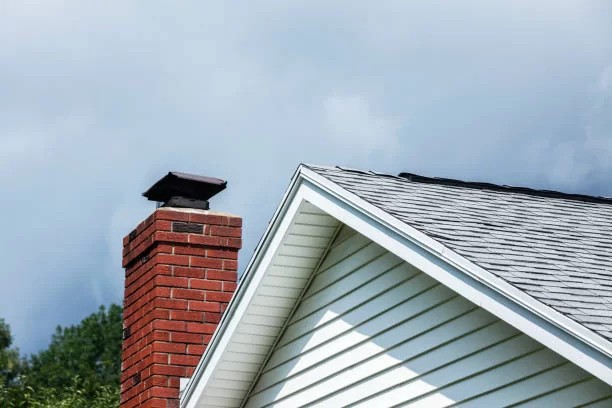
Your chimney plays a critical role in your home’s safety, efficiency, and overall structural integrity. Yet, it’s often overlooked—until problems start to appear. Cracks in the masonry, water leaks, smoke issues, or visible deterioration can leave homeowners wondering: Should I repair my chimney or replace it entirely?
Making the right decision isn’t just about cost—it’s about safety, long-term performance, and protecting your investment. In this in-depth guide, we’ll break down everything you need to know about chimney repair vs. replacement, how to identify warning signs, and how to choose the best option for your home.
Understanding the Role of Your Chimney
Before diving into repairs and replacements, it’s important to understand what your chimney actually does.
Key Functions:
- Ventilation: Safely directs smoke, gases, and toxins out of your home
- Protection: Shields your home from heat and combustion byproducts
- Structural Support: Integrates with your roof and overall home design
A damaged chimney isn’t just a cosmetic issue—it can lead to serious hazards, including fire risks and carbon monoxide exposure.
Common Chimney Problems Homeowners Face
Over time, chimneys are exposed to weather, moisture, and temperature changes. These factors can lead to a variety of issues:
1. Cracked or Deteriorating Masonry
Bricks and mortar joints can crack due to age, weather exposure, or poor construction.
2. Water Damage
Moisture is one of the biggest threats to chimneys. It can cause:
- Mold growth
- Rusted components
- Interior wall damage
3. Spalling Bricks
When bricks absorb water and then freeze or heat up, they can break apart or “flake.”
4. Damaged Chimney Crown
The crown (top surface) can crack, allowing water to seep in.
5. Flue Liner Issues
A damaged liner can lead to inefficient ventilation and increased fire risk.
6. Leaning or Tilting Chimney
This is a serious structural issue that often signals foundation problems.
Chimney Repair: When It’s the Right Choice
Chimney repair is usually the best option when the damage is minor to moderate and doesn’t compromise the entire structure.
Common Repair Solutions:
✔ Tuckpointing (Repointing)
Replacing deteriorated mortar between bricks to restore strength and appearance.
✔ Brick Replacement
Swapping out damaged or spalling bricks without rebuilding the entire chimney.
✔ Crown Repair or Sealing
Fixing cracks in the chimney crown to prevent water intrusion.
✔ Flashing Repair
Sealing the area where the chimney meets the roof to stop leaks.
✔ Chimney Cap Installation
Prevents rain, debris, and animals from entering.
✔ Waterproofing
Applying a protective sealant to prevent moisture penetration.
Signs You Only Need Repairs:
- Small cracks in mortar joints
- Minor water leaks
- A few damaged bricks
- Chimney structure is still straight and stable
- No major interior damage
Benefits of Repair:
- Lower upfront cost
- Faster completion time
- Extends the life of your chimney
- Maintains original structure
Repair is ideal if the chimney is still structurally sound and the issues are localized.
Chimney Replacement: When It’s Necessary
Sometimes repairs aren’t enough. If the damage is extensive or affects the structural integrity, a full or partial chimney replacement may be required.
Types of Replacement:
1. Partial Rebuild
Only the damaged section (often above the roofline) is rebuilt.
2. Full Chimney Rebuild
The entire chimney is demolished and reconstructed from the ground up.
Signs You Need a Replacement:
🚩 Severe Structural Damage
- Large cracks running through bricks
- Leaning or tilting chimney
- Separation from the house
🚩 Extensive Spalling
If a large portion of bricks are deteriorating, repairs won’t hold long-term.
🚩 Major Water Damage
Water has compromised internal components and structural stability.
🚩 Aging Chimney
Older chimneys (30–50+ years) may no longer meet safety standards.
🚩 Repeated Repairs
If you’re constantly fixing issues, replacement may be more cost-effective.
Benefits of Replacement:
- Long-term durability
- Improved safety
- Increased home value
- Modern materials and construction standards
- Reduced maintenance costs over time
While replacement has a higher upfront cost, it often saves money in the long run when damage is severe.
Cost Comparison: Repair vs Replacement
Understanding the cost differences can help guide your decision.
Chimney Repair Costs:
- Minor repairs: $150 – $1,000
- Moderate repairs: $1,000 – $4,000
Chimney Replacement Costs:
- Partial rebuild: $3,000 – $7,000
- Full rebuild: $7,000 – $15,000+
Note: Costs vary based on materials, labor, chimney size, and location.
Repair vs Replacement: Key Decision Factors
1. Extent of Damage
Small, localized issues → Repair
Widespread structural damage → Replacement
2. Age of Chimney
Older chimneys often benefit more from replacement.
3. Safety Concerns
If there’s any risk of collapse or fire hazard, replacement is the safer option.
4. Budget Considerations
Repairs are cheaper upfront, but replacement may offer better long-term value.
5. Future Plans
If you plan to sell your home, a new chimney can increase buyer confidence and property value.
The Importance of a Professional Inspection
Before deciding, it’s crucial to have your chimney inspected by a qualified professional.
What an Inspection Includes:
- Structural assessment
- Flue liner condition
- Moisture damage check
- Crown and flashing evaluation
- Smoke and draft testing
A professional can provide a detailed report and recommend whether repair or replacement is the best option.
How Florida’s Climate Impacts Chimneys
If you live in Florida, your chimney faces unique challenges:
Key Environmental Factors:
- High humidity
- Heavy rainstorms
- Salt air (coastal areas)
- Intense UV exposure
What This Means:
- Increased risk of moisture damage
- Faster deterioration of mortar joints
- Greater need for waterproofing
Because of these conditions, regular maintenance and timely repairs are especially important.
Preventative Maintenance Tips
To avoid costly repairs or premature replacement, follow these maintenance tips:
✔ Schedule Annual Inspections
Catch problems early before they escalate.
✔ Install a Chimney Cap
Prevents water and debris from entering.
✔ Waterproof Your Chimney
Protects against moisture damage.
✔ Clean Your Chimney Regularly
Removes creosote buildup and improves safety.
✔ Address Issues Immediately
Delaying repairs can turn small problems into major ones.
Repair vs Replacement: Real-Life Scenarios
Scenario 1: Minor Cracking
A homeowner notices small cracks in mortar joints.
👉 Solution: Tuckpointing repair
Scenario 2: Water Leaks
Water stains appear near the chimney.
👉 Solution: Flashing repair and waterproofing
Scenario 3: Leaning Chimney
The chimney is visibly tilting away from the house.
👉 Solution: Full replacement (safety hazard)
Scenario 4: Severe Brick Damage
Large sections of bricks are crumbling.
👉 Solution: Partial or full rebuild
How Chimney Work Impacts Home Value
Whether you repair or replace your chimney, maintaining it properly can significantly impact your home’s value.
Value Benefits:
- Improves curb appeal
- Increases buyer confidence
- Prevents inspection issues during sale
- Enhances overall safety
A well-maintained chimney signals that the home has been cared for—something buyers highly value.
Choosing the Right Contractor
The quality of your chimney work depends heavily on who you hire.
What to Look For:
- Licensed and insured professionals
- Experience with masonry and chimney systems
- Positive customer reviews
- Clear pricing and estimates
Questions to Ask:
- Do I need repair or replacement?
- What materials will you use?
- How long will the project take?
- Is there a warranty?
Final Thoughts
Deciding between chimney repair and replacement doesn’t have to be overwhelming. The key is understanding the extent of the damage, your chimney’s age, and your long-term goals.
- Choose repair if the damage is minor and the structure is sound
- Choose replacement if safety, structural integrity, or long-term costs are a concern
Ultimately, investing in your chimney is an investment in your home’s safety, efficiency, and value.
If you’re unsure which option is right for you, start with a professional inspection. With expert guidance, you can make a confident decision that protects your home for years to come.