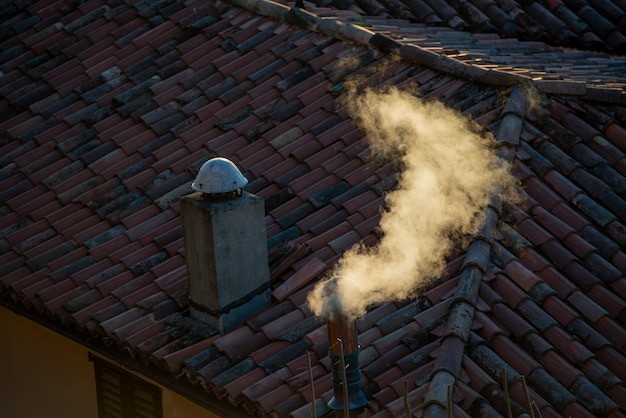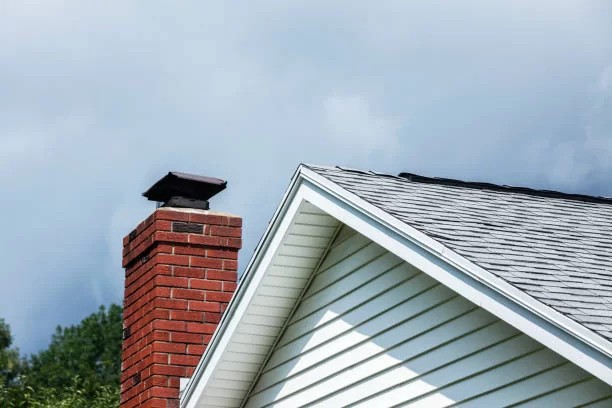
A chimney looks simple from the outside—just brick, mortar, and a cap at the top. But inside, it’s a complex structure designed to safely carry smoke, heat, and gases out of your home. When everything works properly, you barely think about it.
The problem is that chimneys slowly deteriorate over time. And unlike a leaking faucet or a broken appliance, chimney damage often develops quietly, hidden from everyday view. By the time obvious symptoms appear inside the home, the damage is usually already expensive and sometimes even dangerous.
Many homeowners only discover chimney issues after they notice water leaks, smoke problems, or crumbling bricks. But most of these failures could have been prevented if early warning signs were caught sooner.
This guide explains the chimney problems homeowners most often ignore, what causes them, and how to prevent costly repairs before things get worse.
Why Chimney Problems Are Easy to Miss
Chimneys are exposed to constant environmental stress. They sit above the roofline, fully exposed to rain, wind, heat, and temperature changes year-round.
Unlike other parts of the home, chimneys:
- Are rarely inspected closely
- Often show damage in hard-to-see areas
- Can function even while damaged
- Hide internal deterioration until it becomes severe
This is why chimney issues often go unnoticed until they become serious repair problems.
1. Cracked Chimney Crown (The First Line of Defense Fails)
The chimney crown is the concrete or mortar slab at the very top of the chimney. Its job is to protect the masonry below from water damage.
Warning signs:
- Visible cracks on the top surface
- Chips or missing pieces of concrete
- Water stains running down the chimney sides
Why it matters:
Once the crown cracks, water begins seeping into the chimney structure. Over time, this leads to:
- Brick deterioration
- Interior leaks
- Freeze-thaw damage in colder seasons
- Structural weakening
A damaged crown is one of the earliest and most overlooked chimney problems.
2. Spalling Bricks (Chimney Surface Breaking Apart)
Spalling occurs when bricks start flaking, chipping, or breaking away.
What causes it:
- Water penetration into brick
- Freeze-thaw cycles expanding moisture
- Poor waterproofing
- Aging or low-quality masonry
What it looks like:
- Brick faces peeling off
- Rough, crumbling surfaces
- Pieces of brick falling near the chimney base
Spalling is a strong sign that moisture has already entered the chimney system and is damaging it from the inside out.
3. Damaged or Missing Mortar Joints
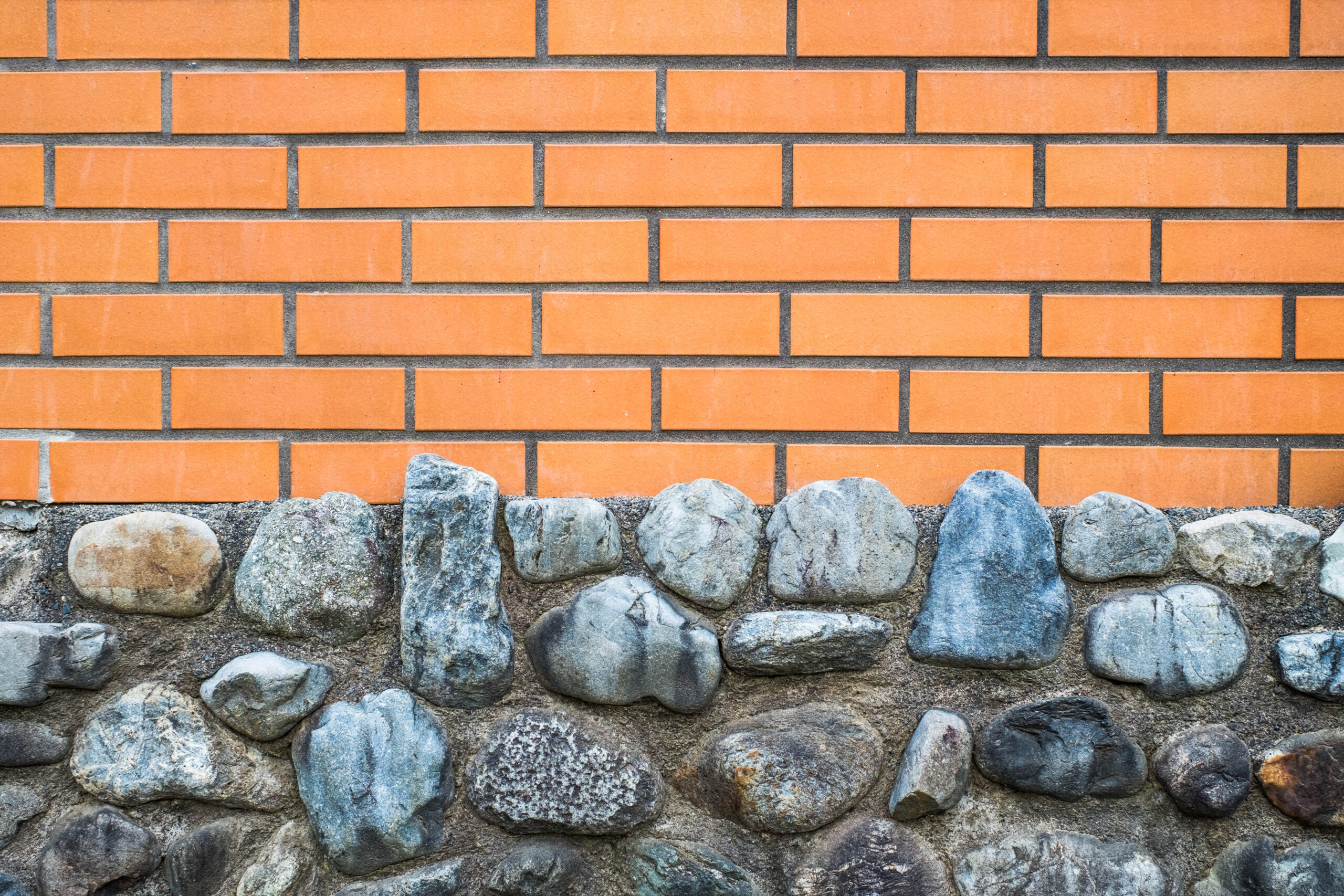
Mortar holds chimney bricks together. When it weakens, the entire structure becomes unstable.
Warning signs:
- Gaps between bricks
- Crumbling or powdery mortar
- Missing sections of joint material
Why it happens:
- Long-term exposure to rain and wind
- Heat expansion from fireplace use
- Aging masonry materials
If mortar continues to deteriorate, bricks loosen and water intrusion accelerates damage.
4. Chimney Leaks Inside the Home
One of the most common complaints homeowners notice is water leaking near fireplaces or ceilings around chimneys.
Signs include:
- Water stains on ceilings or walls
- Damp fireplace interior
- Musty odors near the chimney
- Dripping sounds during rain
Why it happens:
Water can enter through:
- Cracked chimney crown
- Damaged flashing (seal between roof and chimney)
- Porous brick and mortar
- Missing chimney cap
Once water enters, it spreads quickly through masonry and interior structures.
5. Damaged or Missing Chimney Cap
The chimney cap sits at the very top and prevents rain, debris, and animals from entering.
Warning signs:
- No visible cap at chimney top
- Rusted or broken metal cover
- Leaves, birds, or debris inside chimney
- Water entering flue during rain
Why it matters:
Without a proper cap, the chimney becomes fully exposed to water damage, blockages, and pest intrusion.
This is one of the simplest yet most critical chimney components for protection.
6. Rust Inside Firebox or Damper Area
Rust is a major indicator that moisture is entering your chimney system.
Where it appears:
- Fireplace damper
- Metal firebox components
- Chimney cap or flashing area
What it means:
Rust usually indicates ongoing water intrusion. If ignored, it can lead to:
- Structural weakening
- Damaged internal components
- Reduced fireplace efficiency
Rust is not just a surface issue—it signals deeper moisture problems.
7. White Staining (Efflorescence) on Chimney Bricks
Efflorescence appears as a white, chalky residue on brick surfaces.
What causes it:
Water moving through brick dissolves salts inside the masonry. When the water evaporates, it leaves salt deposits behind.
Why it matters:
Efflorescence is a clear sign of:
- Water penetration inside chimney walls
- Ongoing moisture issues
- Poor sealing or waterproofing
While not immediately dangerous, it indicates long-term water damage is occurring.
8. Smoke Backing Up Into the Home
A properly functioning chimney should direct smoke safely outside. If smoke enters your home, something is wrong.
Possible causes:
- Blocked flue (debris or animal nests)
- Poor chimney draft
- Damaged liner
- Incorrect chimney height or design
Warning signs:
- Smoke entering rooms when fireplace is used
- Strong smoky smell indoors
- Difficulty starting or maintaining fire
This is not only a comfort issue—it can also be a safety hazard.
9. Creosote Buildup Inside Chimney
Creosote is a flammable residue that builds up from burning wood.
Why it’s dangerous:
- Highly flammable substance
- Can lead to chimney fires
- Restricts airflow over time
Signs of buildup:
- Dark, sticky residue inside fireplace
- Strong burning odor
- Reduced fireplace efficiency
Regular chimney cleaning is essential to prevent dangerous buildup.
10. Leaning or Shifting Chimney Structure
A chimney that appears tilted or unstable is a serious structural issue.
Warning signs:
- Visible lean from outside
- Cracks separating chimney from house
- Gaps forming at roofline connection
Causes:
- Foundation settling
- Soil movement
- Long-term structural weakening
- Water damage undermining base support
A leaning chimney should always be inspected immediately.
What’s Happening Inside a Failing Chimney
Chimney damage usually follows a predictable cycle:
- Small cracks form in crown or mortar
- Water enters during rain
- Moisture spreads through brick and structure
- Freeze-thaw cycles expand cracks
- Brick and mortar weaken further
- Internal damage reaches visible stage
By the time damage becomes obvious inside the home, the chimney has often been deteriorating for years.
Why Chimney Problems Get Expensive So Quickly
Chimney repairs become costly because:
- Damage spreads vertically through the entire structure
- Water affects both interior and exterior components
- Repairs often require scaffolding or roof access
- Structural issues may require partial rebuilds
What starts as a simple crack repair can turn into major masonry restoration if ignored.
How to Prevent Costly Chimney Repairs
Regular maintenance is the most effective way to protect your chimney.
Recommended prevention steps:
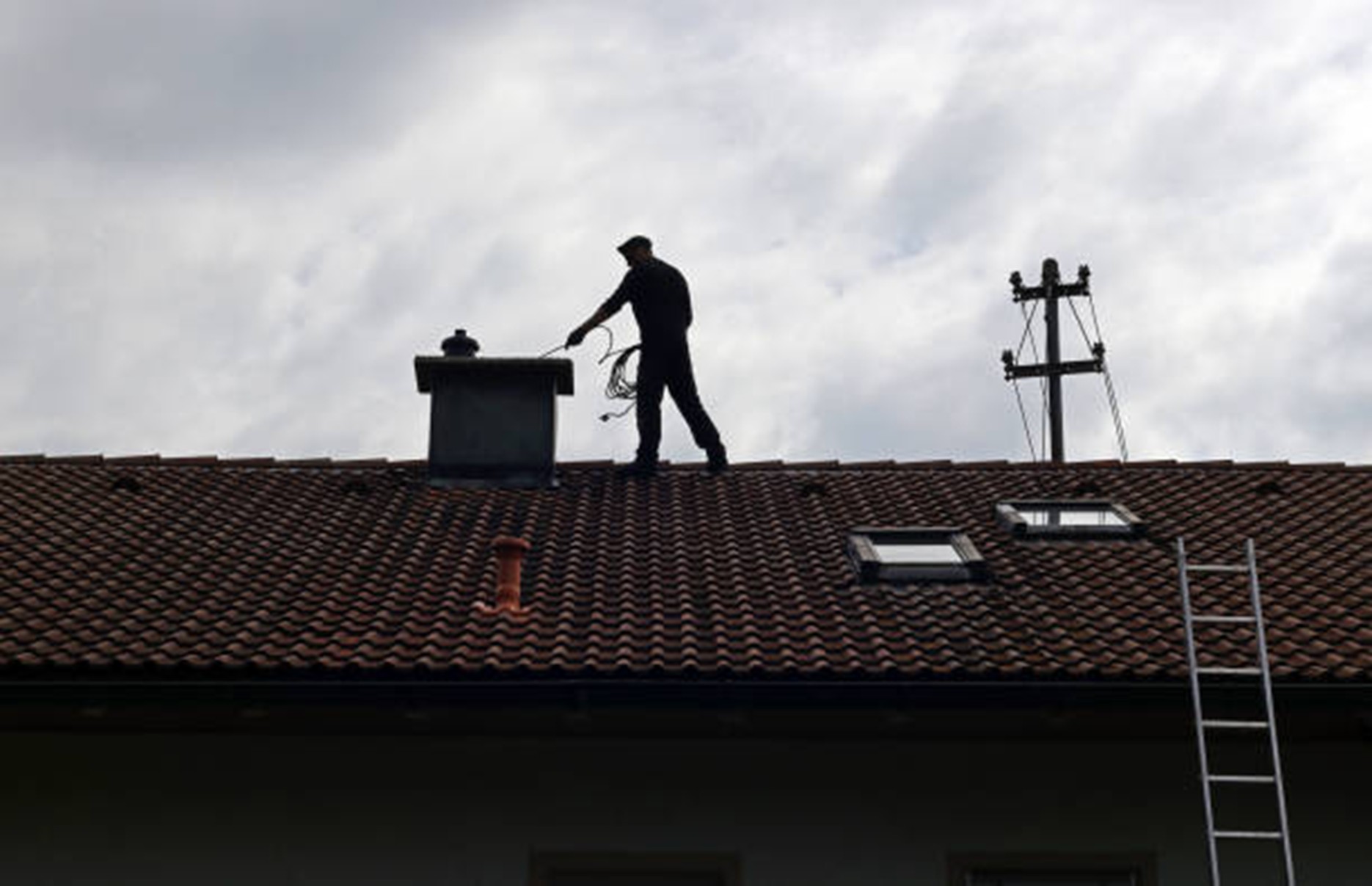
- Annual chimney inspections
- Regular chimney cleaning (especially wood-burning fireplaces)
- Repair cracked mortar early (tuckpointing)
- Install or replace chimney cap
- Waterproof exterior masonry when needed
- Check flashing around roof connections
These simple steps can significantly extend chimney life and prevent major damage.
When You Should Call a Professional
You should contact a chimney or masonry professional if you notice:
- Visible cracks in chimney structure
- Water leaks inside or around fireplace
- Falling bricks or mortar
- Smoke entering your home
- Strong odors from fireplace area
- Signs of leaning or structural movement
A professional inspection can identify hidden issues before they become dangerous or expensive.
Final Thoughts
Chimney problems rarely appear suddenly. Instead, they build slowly through small cracks, moisture intrusion, and aging materials. Because chimneys are often out of sight and out of mind, these issues are frequently ignored until they become serious.
The good news is that most chimney damage is preventable. Regular inspections, timely repairs, and proper maintenance can protect your chimney from long-term deterioration and expensive structural repairs.
The key is simple: don’t wait for visible damage inside your home. By then, the problem has usually been developing for a long time.
A well-maintained chimney not only protects your home—it also ensures safety, efficiency, and peace of mind year after year.