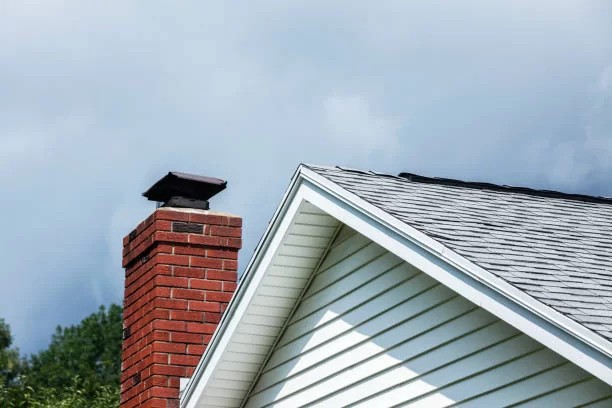
As temperatures begin to drop, fireplaces and heating systems become the heart of many homes. A warm fire can make winter comfortable and cozy, but only if your chimney is in good condition. Unfortunately, chimneys are often ignored during most of the year, and small issues quietly develop into serious safety hazards.
Before winter fully arrives, it’s important to inspect your chimney for warning signs that indicate it may need immediate repair. Ignoring these signs can lead to fire risks, carbon monoxide leaks, water damage, and costly structural repairs.
This guide will help you identify the most common chimney problems and understand when it’s time to call a professional.
Why Chimney Maintenance Before Winter Is Critical
Your chimney is more than just a passage for smoke. It is a ventilation system designed to safely remove heat, gases, and byproducts from your fireplace or heating appliance.
When it becomes damaged or blocked, several risks emerge:
- Poor ventilation leading to smoke backup indoors
- Increased fire risk from creosote buildup
- Carbon monoxide leakage
- Moisture damage inside masonry
- Reduced heating efficiency
Winter is the peak usage season, which means any hidden damage will quickly become a serious problem once the fireplace is in regular use.
1. Cracks in the Chimney Structure
One of the most obvious signs of chimney trouble is visible cracking. These cracks can appear in:
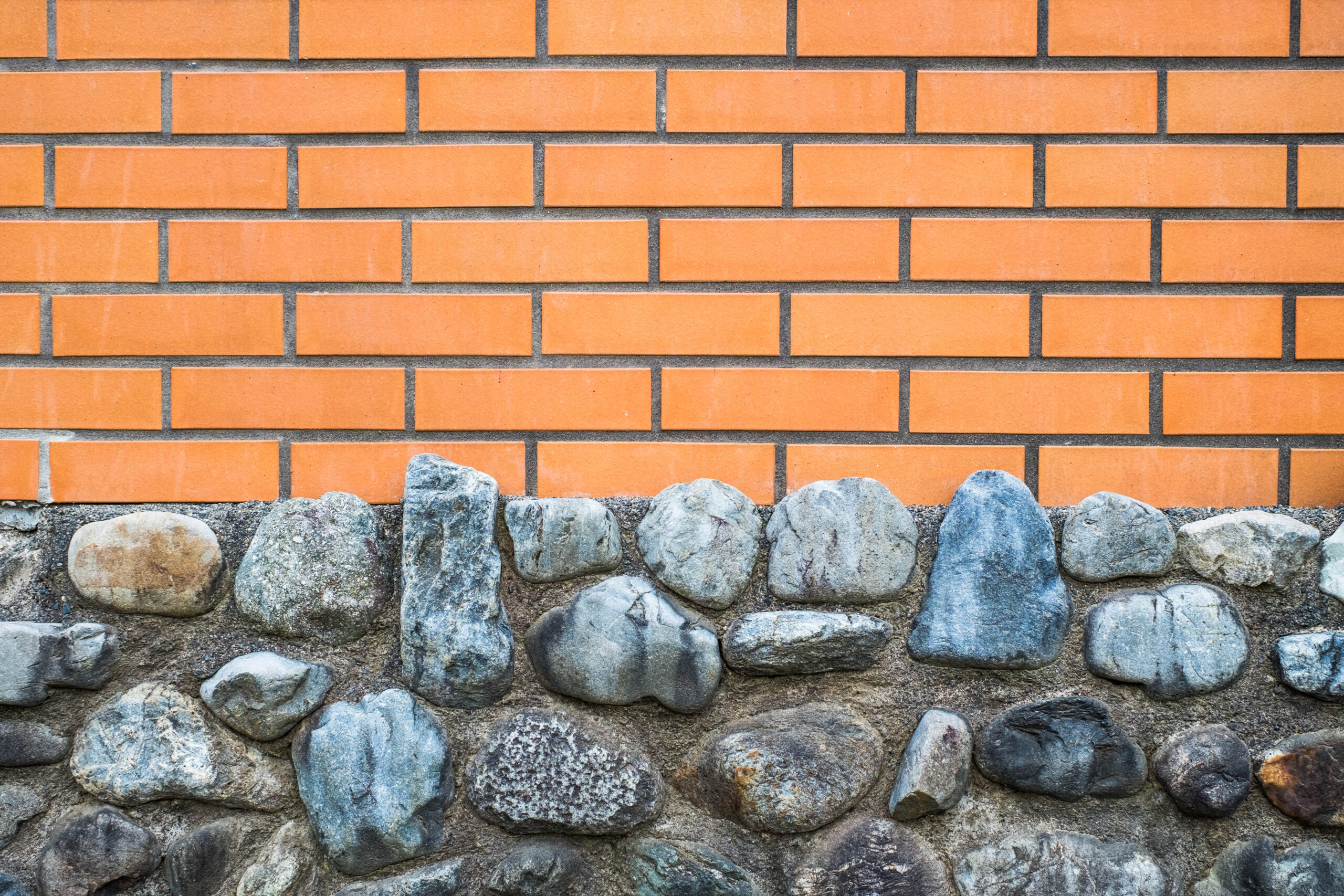
- Bricks
- Mortar joints
- Chimney crown (top surface)
Why it’s dangerous:
Cracks allow moisture to seep into the structure. During colder months, trapped water freezes and expands, making the cracks worse. Over time, this can lead to structural weakening or even partial collapse.
What to look for:
- Vertical or horizontal cracks in bricks
- Missing mortar between joints
- Flaking or crumbling brick surfaces
If you notice any of these issues, your chimney likely needs immediate repair before winter use.
2. White Staining on Exterior Bricks (Efflorescence)
If you see a white, powdery substance on your chimney’s exterior, it is called efflorescence. This happens when water inside the masonry evaporates and leaves salt deposits behind.
Why it matters:
Efflorescence is a clear sign that moisture is entering your chimney. While it may look harmless at first, it indicates underlying water damage that can worsen rapidly in winter.
Common causes:
- Damaged chimney crown
- Poor flashing around roof connection
- Cracked masonry
This is often an early warning sign that repairs are needed soon.
3. Rust on Fireplace or Chimney Components
Rust is a major red flag that your chimney is exposed to moisture.
Check for rust on:
- Damper
- Firebox
- Chimney cap
- Metal flashing
Why it’s serious:
Rust weakens metal parts and can cause them to fail. A damaged damper, for example, may not seal properly, allowing heat loss and moisture entry.
If rust is visible, it usually means water intrusion has already started and should be addressed immediately.
4. Smoke Entering the Home
A properly functioning chimney should pull smoke up and out of the house. If smoke is entering your living space, something is wrong.
Possible causes:
- Blocked chimney flue
- Creosote buildup
- Poor airflow or drafting issues
- Damaged chimney liner
Why it’s dangerous:
Smoke entering indoors may also bring carbon monoxide, which is colorless, odorless, and extremely harmful.
If you experience this even once, the chimney should not be used until inspected.
5. Strong Odors Coming from the Fireplace
A bad smell coming from your fireplace or chimney is often a sign of buildup or moisture problems.
Common odors include:
- Smoky or burnt smell
- Musty, damp odor
- Sour creosote smell
What it indicates:
- Creosote buildup (highly flammable)
- Animal nests or debris
- Moisture trapped inside chimney walls
Odors usually become worse in humid or cold weather, especially before winter when airflow changes.
6. Damaged or Missing Chimney Cap
The chimney cap sits at the top of your chimney and prevents rain, debris, and animals from entering.
If it is missing or damaged, you may notice:
- Water leaks inside fireplace
- Bird or squirrel nests
- Increased debris buildup
- Faster deterioration of masonry
A damaged cap is one of the easiest issues to fix, but ignoring it can lead to major chimney damage over time.
7. Water Leaks Around Fireplace or Walls
Water stains near your fireplace or on adjacent walls are a serious warning sign.
Common signs include:
- Damp spots on walls or ceiling
- Peeling paint or wallpaper near fireplace
- Musty smell indoors
- Visible water dripping inside firebox
Why it happens:
- Cracked chimney crown
- Damaged flashing on roof
- Porous brick or mortar
Water damage is one of the fastest ways a chimney deteriorates, especially during freeze-thaw cycles in winter.
8. Creosote Buildup Inside the Chimney
Creosote is a black, tar-like substance that forms when wood burns incompletely.
Why it is dangerous:
- Highly flammable
- Can cause chimney fires
- Reduces airflow efficiency
Warning signs:
- Thick black residue inside fireplace
- Strong smoky smell
- Reduced draft when fire is burning
If you regularly use your fireplace, creosote buildup is inevitable and should be cleaned before winter begins.
9. Leaning or Tilting Chimney Structure
A chimney that appears to lean or shift is a serious structural concern.
Possible causes:
- Foundation settling
- Severe water damage
- Earthquake or storm damage
- Long-term neglect of repairs
This is not a cosmetic issue. A leaning chimney may indicate structural instability and should be inspected immediately.
10. Animal Activity or Nesting Inside Chimney
Chimneys often attract birds, squirrels, and other small animals—especially during warmer months.
Signs include:
- Scratching or chirping sounds
- Debris falling into fireplace
- Strange odors
- Blocked airflow
Animals can block the flue, create fire hazards, and damage internal liners.
A proper chimney cap helps prevent this issue in the future.
Why You Should Never Delay Chimney Repairs
Many homeowners postpone chimney maintenance until something goes wrong. However, chimney issues rarely fix themselves. Instead, they worsen over time—especially during winter.
Delaying repairs can lead to:
- Chimney fires
- Carbon monoxide exposure
- Costly structural rebuilding
- Roof and interior water damage
Early inspection and repair are always more affordable than emergency fixes.
When to Call a Professional Chimney Service
You should contact a chimney expert immediately if you notice:
- Any visible structural cracks
- Smoke entering your home
- Water leaks or stains
- Rusted chimney components
- Strong odors or creosote buildup
- Animal infestation signs
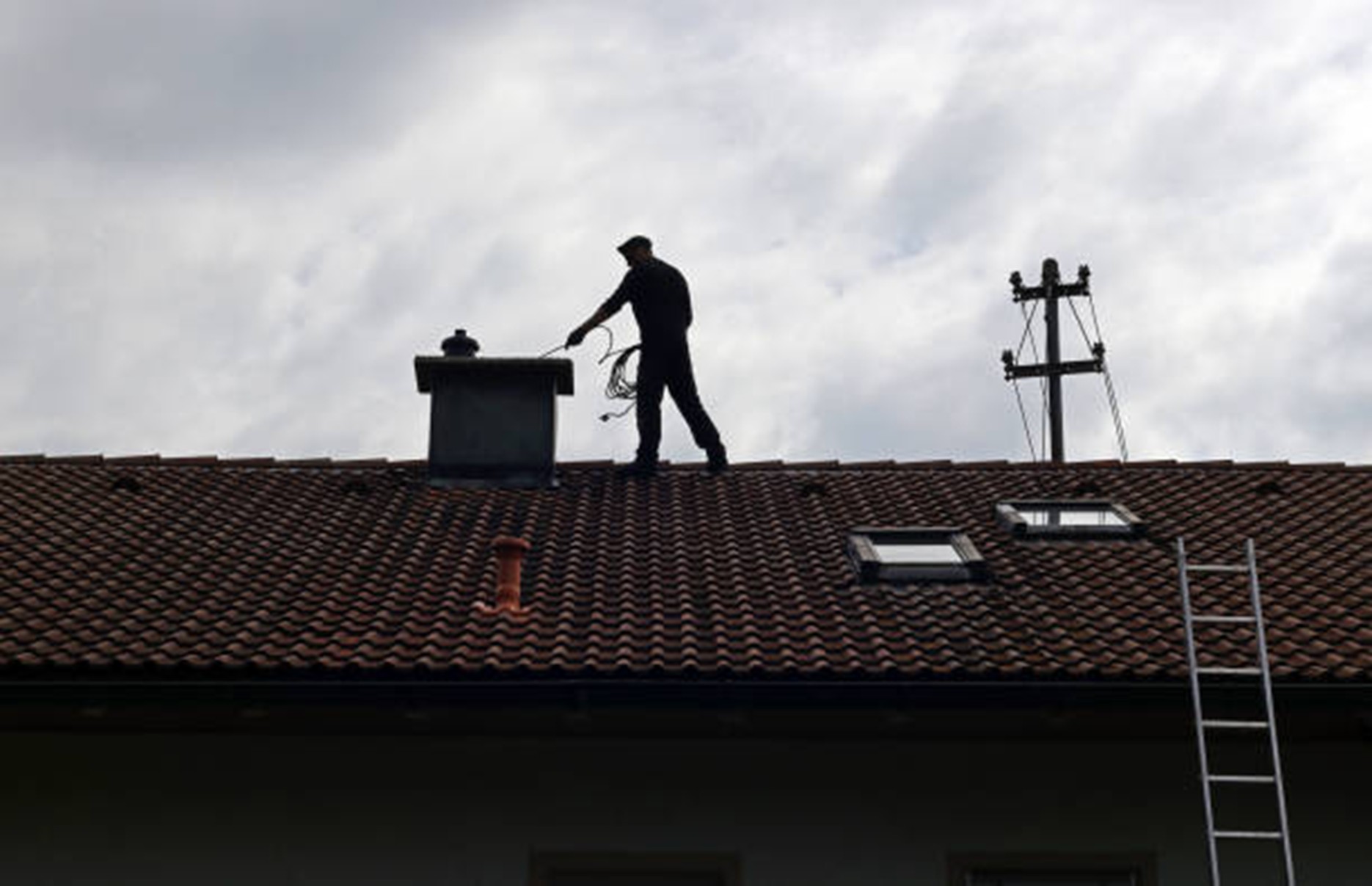
A professional inspection before winter ensures your chimney is safe, clean, and ready for use.
Final Thoughts
Your chimney plays a vital role in keeping your home warm and safe during winter. Small warning signs—like cracks, odors, rust, or smoke issues—should never be ignored.
By identifying problems early and scheduling repairs before cold weather sets in, you can avoid costly damage and ensure your fireplace works efficiently all season long.
A well-maintained chimney doesn’t just improve comfort—it protects your home, your health, and your peace of mind throughout winter.