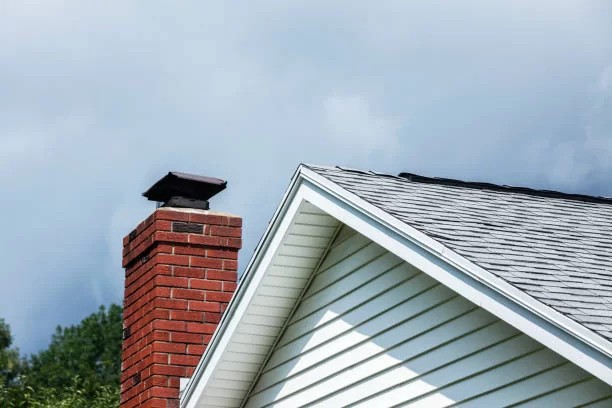
Florida’s warm temperatures, coastal air, and year-round humidity make it a beautiful place to live, but these same environmental conditions can take a serious toll on homes and outdoor masonry structures. While brick, natural stone, stucco, and chimney systems are built for durability, they are not immune to constant moisture exposure, temperature fluctuations, heavy rain, and salt-laden air.
Over time, Florida’s climate can accelerate masonry deterioration, weaken mortar joints, create staining issues, and even compromise the structural integrity of chimneys and outdoor fireplaces. Many homeowners assume brick and stone are maintenance-free materials, but the reality is that masonry systems require regular inspections and preventative care to withstand the unique environmental challenges found throughout the state.
Understanding how humidity affects masonry structures can help homeowners recognize early warning signs of damage, avoid expensive repairs, and protect the long-term value of their property.
Why Florida’s Climate Creates Unique Challenges for Masonry
Florida’s environment differs from many other parts of the country because of several factors working together simultaneously:
- High humidity levels throughout most of the year
- Frequent rainstorms and tropical weather
- Intense UV exposure and heat
- Salt air in coastal regions
- Rapid temperature and moisture fluctuations
- Hurricanes and wind-driven rain
While brick and stone are naturally durable materials, repeated moisture exposure can slowly penetrate porous surfaces. Once moisture enters masonry systems, it can create a chain reaction of deterioration affecting mortar, brick faces, chimney liners, and surrounding structural materials.
Homes in coastal communities often experience even faster wear because salt particles carried through the air settle onto masonry surfaces and accelerate erosion and staining.
How Moisture Penetrates Brick and Stone
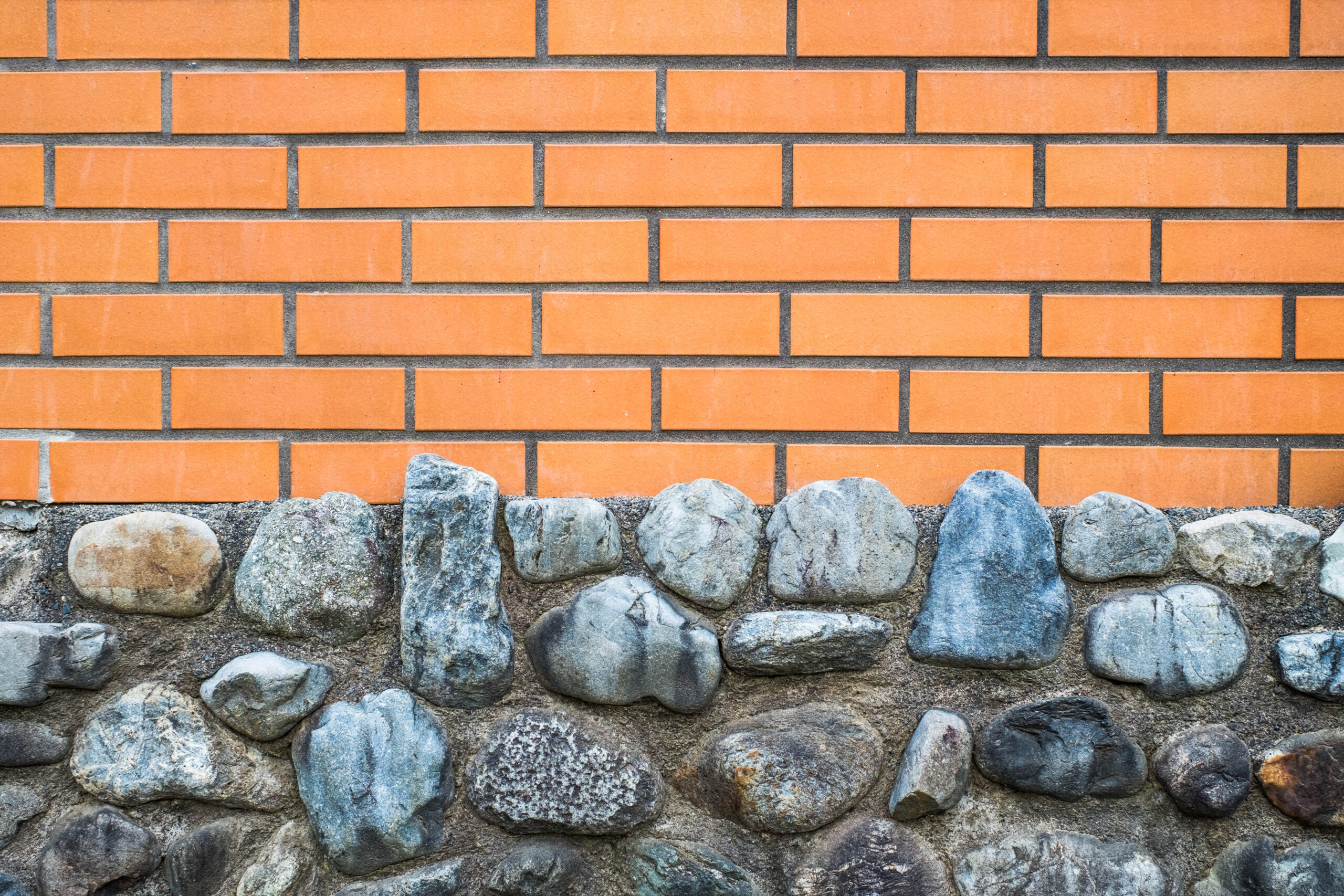
Many homeowners are surprised to learn that brick and natural stone are porous materials. Although they appear solid, they contain tiny openings that absorb moisture over time.
In Florida’s humid climate, masonry materials are constantly exposed to:
- Airborne moisture
- Rainwater absorption
- Ground moisture
- Condensation
- Salt contamination
- Water intrusion from storms
When water repeatedly enters masonry surfaces without sufficient drying time, several problems can begin to develop beneath the surface.
This is especially common in older chimneys, outdoor fireplaces, retaining walls, patios, and decorative stonework that may not have been sealed or maintained properly over the years.
Mortar Joint Deterioration in Humid Conditions
One of the most vulnerable parts of any masonry structure is the mortar joint. Mortar acts as the bonding material that holds bricks and stones together, but constant moisture exposure gradually weakens it.
Florida humidity accelerates mortar deterioration by allowing water to remain trapped for extended periods. Over time, homeowners may notice:
- Cracking mortar joints
- Crumbling or loose mortar
- Gaps between bricks or stones
- White powdery residue called efflorescence
- Small pieces of mortar falling away
Once mortar begins deteriorating, water intrusion often worsens quickly because gaps allow additional moisture to penetrate deeper into the structure.
Professional tuckpointing or repointing services are often necessary to restore damaged mortar before larger structural problems develop.
The Impact of Salt Air on Masonry Structures
Homes near Florida’s coastline face an additional challenge: salt exposure.
Salt particles carried through humid coastal air settle on brick, stone, and chimney surfaces daily. Over time, salt can:
- Accelerate surface erosion
- Cause discoloration and staining
- Break down mortar joints
- Increase moisture retention
- Contribute to cracking and spalling
Salt also attracts and holds moisture, which means masonry surfaces may remain damp longer than they otherwise would inland.
Coastal homeowners often notice masonry aging faster than expected if surfaces are not cleaned, sealed, and maintained regularly.
Efflorescence: The White Staining Problem
One of the most common masonry issues in humid climates is efflorescence.
Efflorescence appears as a chalky white residue on brick, stone, or chimney surfaces. It occurs when water travels through masonry materials and brings dissolved salts to the surface as moisture evaporates.
Although efflorescence itself is not always structurally dangerous, it is a strong indicator that excessive moisture is moving through the masonry system.
Common causes include:
- Poor drainage
- Excessive humidity
- Water intrusion
- Leaking chimney caps
- Faulty flashing
- Improper sealing
If left unaddressed, the moisture causing efflorescence can eventually lead to deeper deterioration within the structure.
Chimney Damage Caused by Florida Humidity
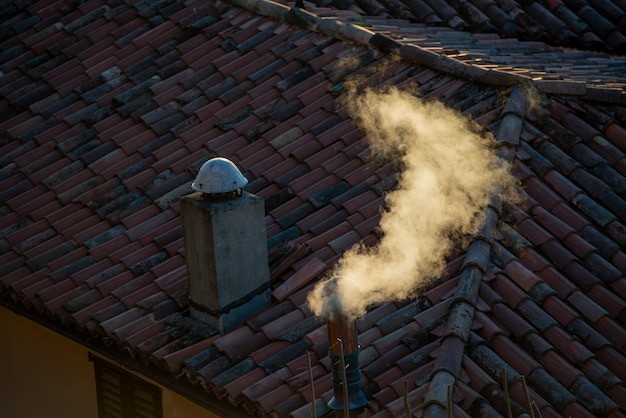
Chimneys are especially vulnerable to moisture-related deterioration because they are exposed to weather from every angle.
Even homes that rarely use their fireplaces can experience serious chimney damage due to Florida’s climate conditions.
Common Chimney Problems Caused by Humidity
Rusted Metal Components
Moisture exposure can cause chimney caps, dampers, chase covers, and flashing systems to rust over time. Once metal components weaken, water intrusion usually increases rapidly.
Cracked Chimney Crowns
The concrete crown at the top of a chimney protects the structure from rainwater penetration. Constant moisture exposure and temperature changes can create cracks that allow water inside the chimney system.
Masonry Spalling
Spalling occurs when moisture trapped inside bricks causes the surface to flake, chip, or break apart. This is particularly common in older chimneys exposed to years of humid conditions.
Mold and Mildew Growth
Humid conditions combined with poor ventilation can allow mold and mildew to develop inside chimney systems or on surrounding masonry surfaces.
Interior Water Damage
Once chimney leaks begin, homeowners may notice:
- Ceiling stains
- Wall discoloration
- Musty odors
- Peeling paint
- Rotting wood near the chimney
These issues often originate from exterior masonry damage that has allowed water to penetrate deeper into the home.
Outdoor Fireplaces and Kitchens Face Constant Exposure
Outdoor living spaces are extremely popular in Florida, but outdoor fireplaces, pizza ovens, and masonry kitchens endure constant exposure to moisture and weather extremes.
Without proper maintenance, outdoor masonry features may experience:
- Surface cracking
- Stone shifting
- Loose veneer materials
- Rusting metal supports
- Drainage issues
- Water pooling near foundations
Outdoor kitchens often combine multiple materials such as brick, stone, stainless steel, and concrete, all of which expand and contract differently under Florida’s climate conditions.
Regular inspections can help identify early signs of movement or deterioration before repairs become more expensive.
How Hurricanes and Heavy Rainstorms Accelerate Damage
Florida’s storm season places additional stress on masonry systems.
Heavy rainfall, wind-driven moisture, and flooding can quickly expose weaknesses in chimneys, retaining walls, and brick exteriors.
During severe storms, masonry structures may experience:
- Saturation from prolonged rain exposure
- Cracking from shifting soil
- Water penetration through damaged mortar
- Falling chimney components
- Structural instability in aging masonry
Homes with older chimneys or neglected masonry are especially vulnerable during hurricane season.
Preventative inspections before storm season can help homeowners identify areas requiring reinforcement or repair.
Why Older Florida Homes Are More Vulnerable
Many older Florida homes were built decades ago using materials and construction techniques that may no longer meet modern moisture protection standards.
Older masonry structures may lack:
- Proper waterproofing barriers
- Modern chimney liners
- High-performance sealants
- Adequate flashing systems
- Moisture-resistant mortar materials
As homes age, years of moisture exposure gradually weaken masonry systems even if damage is not immediately visible.
This is why regular professional inspections are especially important for historic homes or properties with aging chimneys and outdoor masonry.
Signs Your Masonry May Be Suffering from Moisture Damage
Homeowners should watch for early warning signs that indicate humidity-related deterioration may already be occurring.
Exterior Warning Signs
- Cracked bricks or stone
- Missing mortar
- White staining or efflorescence
- Loose masonry materials
- Bowing or leaning walls
- Surface flaking or spalling
- Rust stains near metal components
Interior Warning Signs
- Water stains near fireplaces
- Musty smells
- Mold growth
- Damp drywall
- Peeling paint near chimney areas
- Draft issues around fireplaces
Addressing these problems early is usually far less expensive than waiting until major structural repairs become necessary.
The Importance of Professional Masonry Inspections
Because moisture damage often develops slowly, many problems remain hidden until visible deterioration becomes severe.
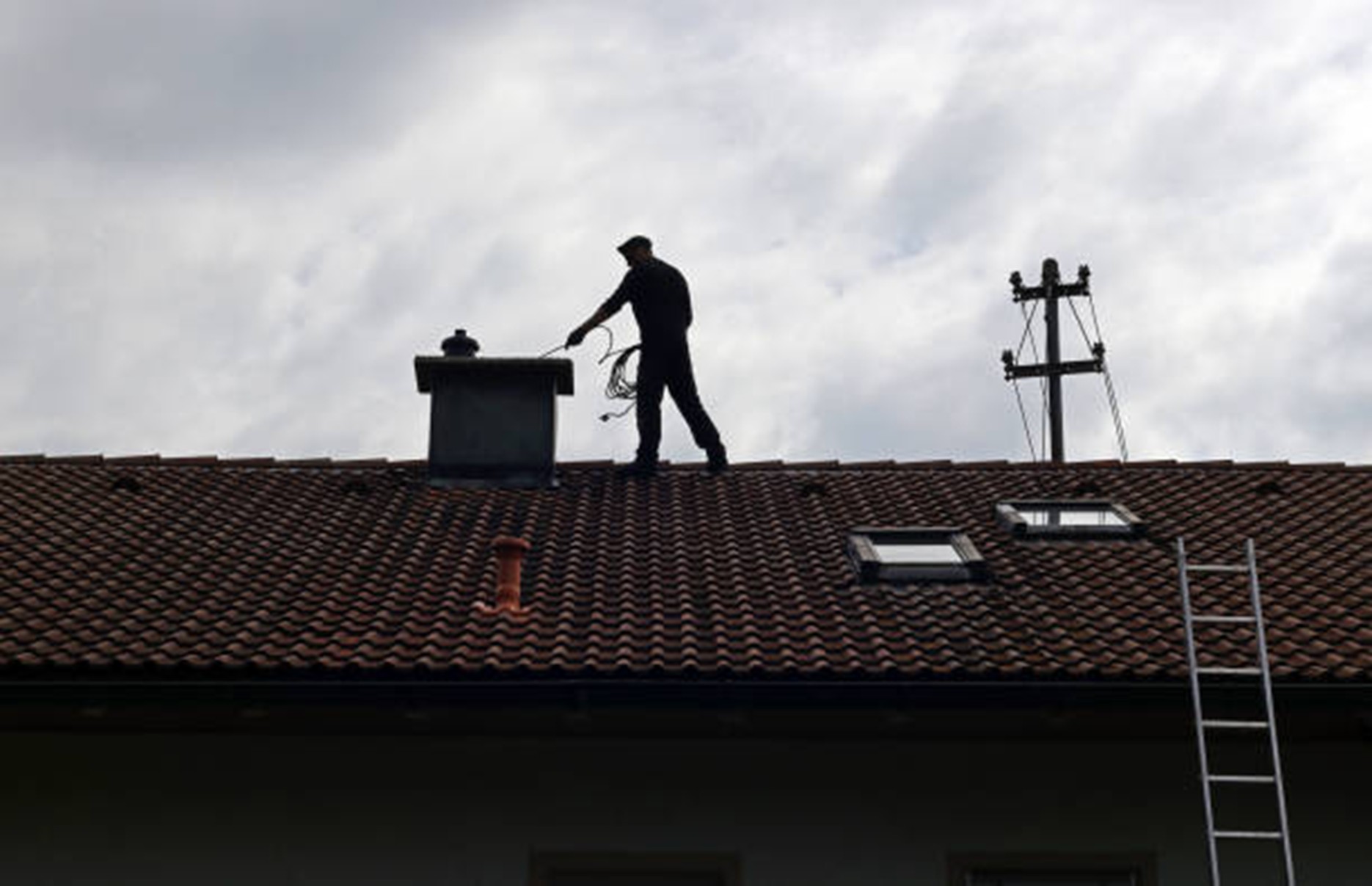
Professional masonry and chimney inspections help identify issues such as:
- Small mortar cracks
- Chimney crown deterioration
- Flashing failures
- Hidden water intrusion
- Structural movement
- Early-stage brick spalling
Routine inspections are particularly important after hurricanes, tropical storms, or periods of unusually heavy rainfall.
Experienced masonry professionals can recommend preventative repairs that extend the lifespan of the structure and reduce future repair costs.
How Waterproofing and Sealing Help Protect Masonry
One of the most effective ways to protect brick and stone in Florida’s humid climate is through professional waterproofing and sealing.
Quality breathable sealants help:
- Reduce water absorption
- Prevent moisture intrusion
- Minimize staining
- Slow mortar deterioration
- Protect against salt exposure
- Extend masonry lifespan
However, not all sealants are appropriate for every surface.
Improper products can trap moisture inside masonry materials, which may actually worsen deterioration over time. This is why professional evaluation is important before applying waterproof coatings.
Proper Drainage Matters More Than Many Homeowners Realize
Water management plays a major role in protecting masonry systems.
Poor drainage can allow water to collect around foundations, patios, retaining walls, and chimneys. Over time, excess moisture contributes to:
- Soil movement
- Structural shifting
- Foundation cracks
- Increased water penetration
- Masonry instability
Proper grading, gutter maintenance, and drainage solutions help direct water away from vulnerable masonry surfaces.
Maintenance Tips for Florida Homeowners
Homeowners can help extend the life of masonry structures by following several preventative maintenance practices.
Schedule Regular Inspections
Annual masonry and chimney inspections help identify problems before they become severe.
Keep Gutters Clean
Overflowing gutters can direct water onto brick and stone surfaces repeatedly.
Address Small Cracks Quickly
Minor cracks often become major repair issues if moisture continues entering the structure.
Clean Masonry Surfaces Carefully
Harsh pressure washing or improper chemical cleaners can damage brick and mortar.
Maintain Chimney Caps and Flashing
These components play a critical role in preventing water intrusion.
Consider Professional Waterproofing
Protective sealants can significantly improve moisture resistance when applied correctly.
Long-Term Benefits of Preventative Masonry Care
Investing in preventative masonry maintenance offers several long-term advantages for Florida homeowners.
Protects Structural Integrity
Routine repairs help prevent moisture from compromising load-bearing components.
Preserves Property Value
Well-maintained masonry improves curb appeal and reassures potential buyers.
Reduces Expensive Emergency Repairs
Addressing small problems early is far more affordable than rebuilding damaged structures later.
Improves Safety
Damaged chimneys and unstable masonry can become serious safety hazards if neglected.
Extends Lifespan of Outdoor Features
Proper care allows patios, fireplaces, retaining walls, and outdoor kitchens to last significantly longer.
Final Thoughts
Florida’s humid climate creates unique challenges for brick, stone, chimney, and outdoor masonry structures. Constant moisture exposure, salt air, heavy rain, and storm activity gradually wear down even durable materials over time.
While masonry systems are built to last, they still require regular maintenance, inspections, and preventative care to remain safe and structurally sound. Early warning signs such as cracked mortar, efflorescence, chimney leaks, and spalling should never be ignored.
Professional masonry inspections and timely repairs can help homeowners protect their investment, preserve curb appeal, and avoid costly structural damage in the future.
Whether you own a historic brick home, an outdoor fireplace, a stone patio, or a masonry chimney, proactive maintenance is the key to keeping your property protected against Florida’s challenging climate conditions for years to come.