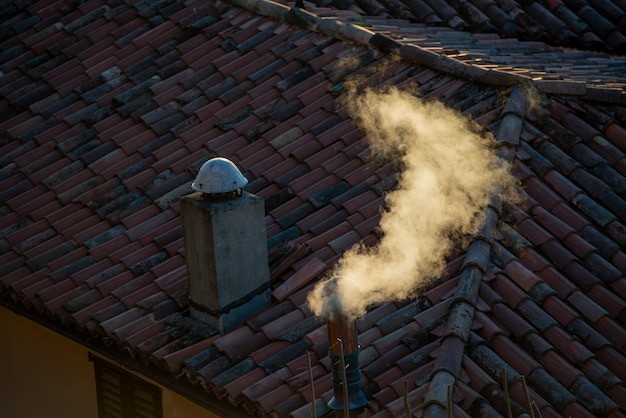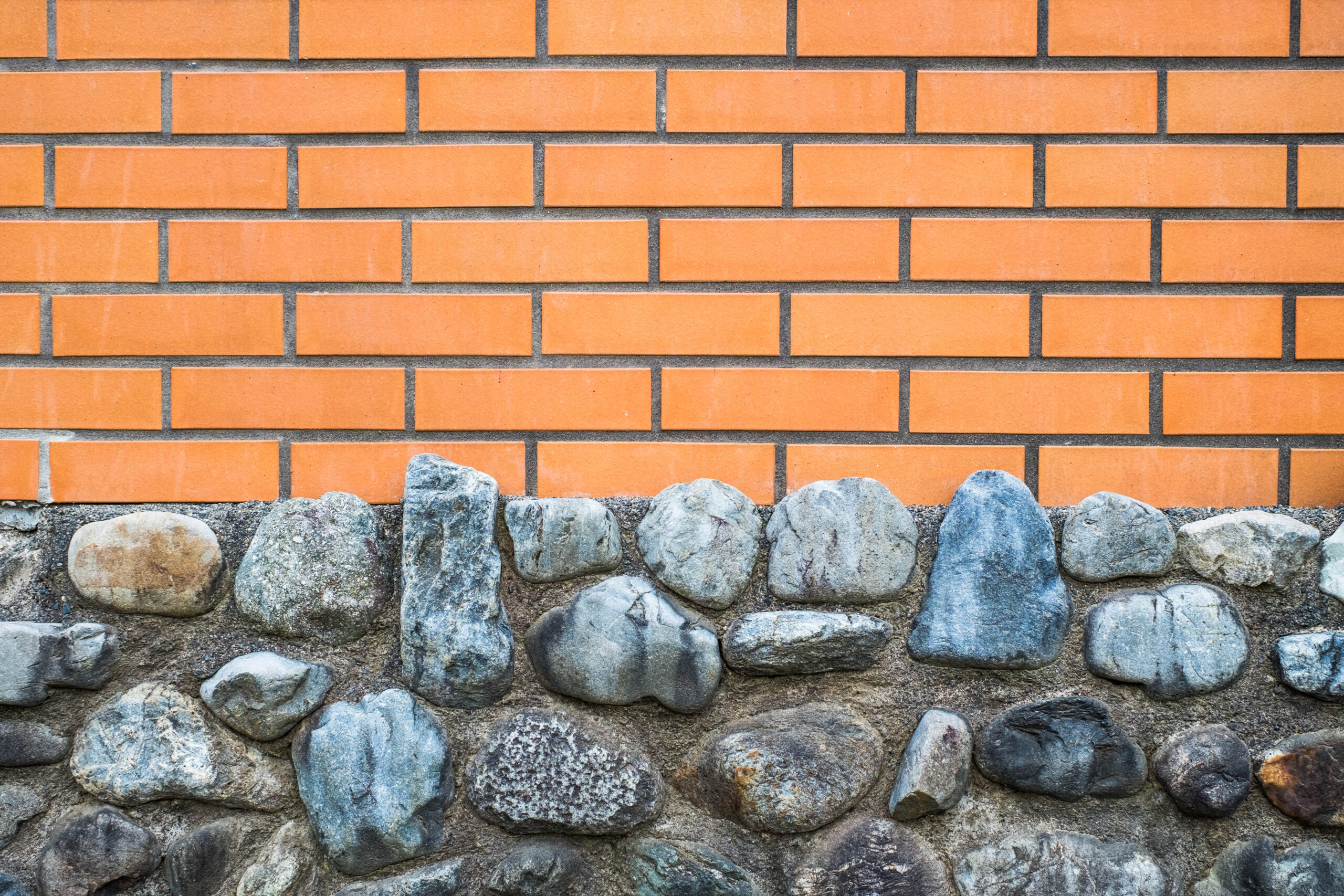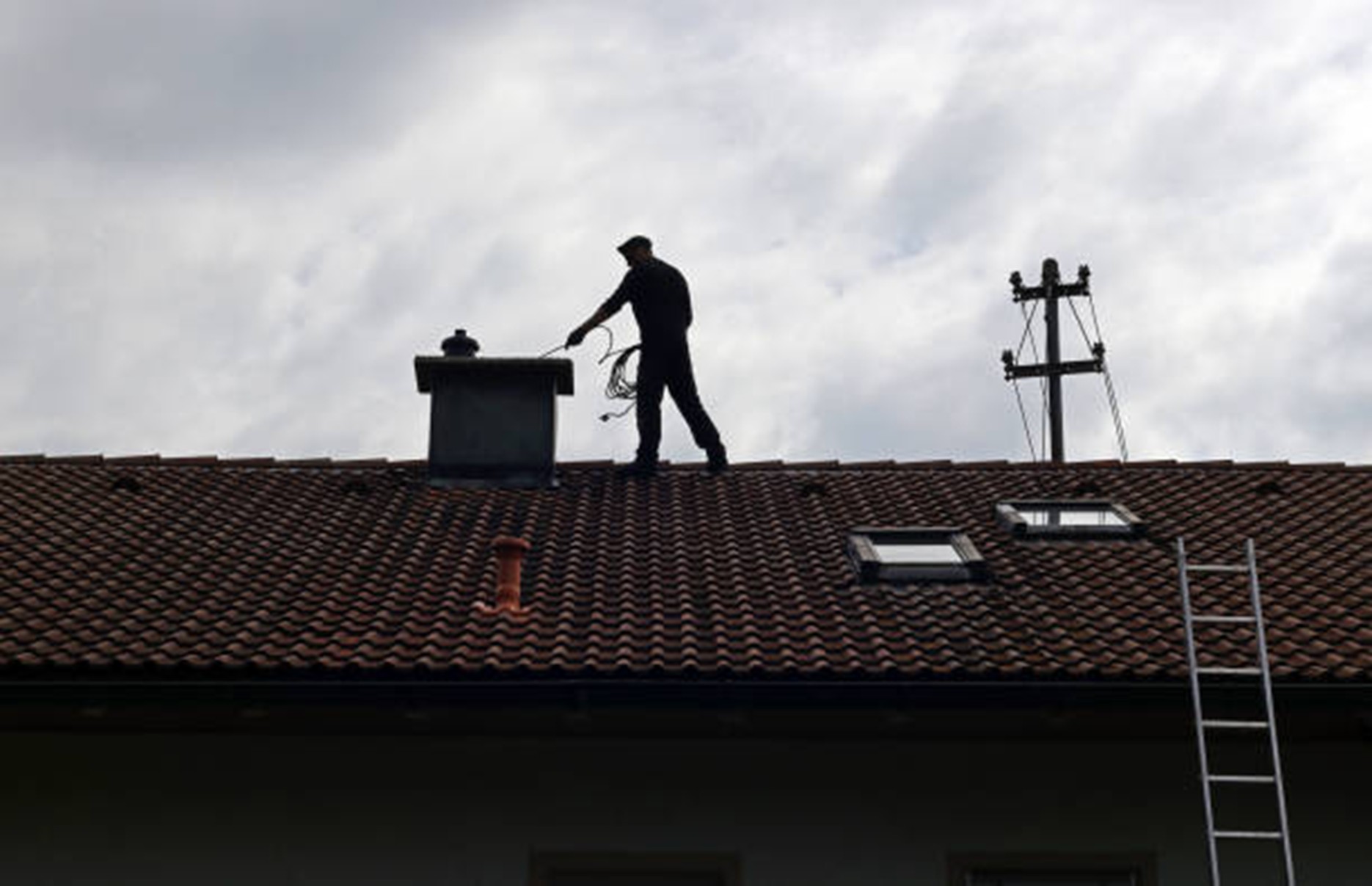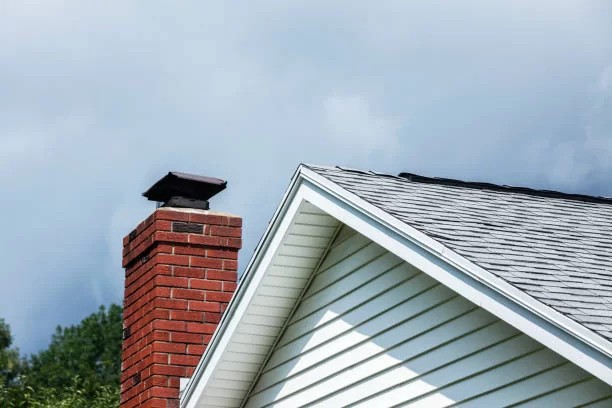
Florida’s warm weather, tropical storms, and coastal lifestyle make it one of the most desirable places to live in the country. But while homeowners enjoy sunshine and outdoor living year-round, the state’s humid climate creates serious challenges for chimneys, fireplaces, and masonry structures.
Humidity is more than just uncomfortable air. Constant moisture exposure can slowly weaken brick, mortar, stone, stucco, and metal components over time. Combined with Florida’s heavy rain, salt air, hurricanes, and rapid temperature shifts, the environment can cause extensive structural deterioration if problems are ignored.
For homeowners across Southwest Florida, understanding how humidity affects masonry systems is essential for protecting property value, maintaining safety, and avoiding expensive repairs.
Companies like Creative Masonry & Chimney regularly work with Florida homeowners dealing with moisture-related masonry damage, chimney leaks, deteriorating mortar, rusting fireplace components, and outdoor structure wear caused by the region’s climate.
Why Florida’s Climate Is Tough on Masonry
Unlike colder northern states that primarily battle freeze-thaw cycles, Florida masonry faces almost constant moisture exposure. High humidity levels allow water vapor to penetrate porous materials like brick, stone, and concrete day after day.
Florida homes also experience:
- Heavy rainfall
- Tropical storms and hurricanes
- Salt-laden coastal air
- Extreme UV exposure
- Sudden temperature changes
- Long wet seasons
Together, these conditions accelerate masonry deterioration.
Even well-built chimneys and fireplaces can develop problems when moisture repeatedly enters the structure without proper drainage or sealing. According to Florida masonry and chimney specialists, rain and humidity gradually create cracks, gaps, leaks, mold growth, and internal structural weakening.
How Humidity Damages Chimneys
Moisture Penetration Into Masonry
Brick and mortar are naturally porous materials. This means they absorb water over time.
When Florida humidity stays high for extended periods, moisture slowly enters chimney masonry. Rainwater compounds the issue by soaking exposed surfaces repeatedly.
As water infiltrates the chimney system, several problems begin to develop:
- Mortar joints weaken
- Bricks become soft or flaky
- Small cracks expand
- Interior leaks form
- Mold and mildew develop
- Odors begin appearing indoors
Many homeowners first notice the problem through musty fireplace smells during humid summer months. This often signals trapped moisture inside the chimney structure.
Deteriorating Mortar Joints
Mortar is often the first part of a chimney to fail.
Constant humidity exposure causes mortar joints to erode gradually. Once gaps begin forming between bricks, water penetration accelerates rapidly.
Over time, deteriorated mortar can lead to:
- Loose bricks
- Leaning chimneys
- Water intrusion into walls
- Structural instability
- Expensive reconstruction needs
Professional tuckpointing or repointing helps restore damaged mortar before the chimney suffers major structural failure.
Chimney Crown Cracking
The chimney crown sits at the top of the chimney and acts as a protective barrier against rainwater.
Florida’s intense sun combined with heavy rain and humidity causes crowns to expand and contract repeatedly. Small cracks form over time, allowing water to enter the chimney interior.
Once moisture enters through crown cracks, homeowners may experience:
- Interior ceiling stains
- Damaged drywall
- Mold growth
- Rusting fireplace components
- Masonry deterioration
Routine inspections help identify crown damage before leaks spread further into the home.
Rust and Corrosion
Humidity does not only affect brick and mortar.
Metal chimney components are also highly vulnerable in Florida’s climate.
Common areas affected include:
- Dampers
- Fireplace doors
- Chimney caps
- Chase covers
- Flue liners
- Fireboxes
Moisture exposure combined with salt air near coastal areas accelerates rust formation. Eventually, rust can weaken critical fireplace safety components and reduce system efficiency.
Fireplace Problems Caused by Florida Humidity
Although fireplaces are used less frequently in Florida than northern states, they still require regular maintenance because moisture damage continues year-round.
Musty Fireplace Odors
One of the most common complaints among Florida homeowners is a persistent smoky or musty fireplace smell.
Humidity trapped inside the chimney combines with soot, creosote, and debris, creating unpleasant odors that drift into the living space.
Moisture can also encourage mold growth inside the flue or surrounding masonry.
Professional chimney cleaning and proper ventilation help reduce odor problems significantly.
Firebox Deterioration
The firebox endures intense heat during use and high humidity during periods of inactivity.
Over time, this combination can cause:
- Cracked firebrick
- Rusting metal panels
- Damaged refractory mortar
- Corrosion around gas components
Ignoring these issues may create safety hazards, including smoke leakage or fire risks.
According to Florida chimney professionals, regular fireplace inspections help identify hidden deterioration caused by constant exposure to heat and humidity.
Damaged Gas Fireplace Components
Gas fireplaces are popular in Florida homes because they provide convenience and occasional warmth during cooler months.
However, moisture exposure can corrode gas lines, burners, ignition systems, and ventilation components if maintenance is neglected.
Homeowners should have gas fireplaces inspected regularly to ensure safe operation and prevent moisture-related failures.
How Humidity Impacts Outdoor Masonry Structures
Florida homeowners increasingly invest in outdoor kitchens, fire pits, patios, retaining walls, and custom stonework.
While these features add beauty and functionality, they face nonstop exposure to heat, humidity, and storms.
Outdoor Kitchens and Moisture Damage
Outdoor kitchens are especially vulnerable because they combine masonry, metal appliances, plumbing, and electrical systems in one exposed environment.
Florida masonry experts emphasize the importance of weather-resistant materials because humidity and rain quickly damage poorly built outdoor kitchens.
Common humidity-related problems include:
- Rusted grills and appliances
- Mold growth
- Cracked countertops
- Water intrusion
- Corroded fasteners
- Warped cabinetry
- Failing sealants
Professionally designed masonry outdoor kitchens generally perform better than prefabricated metal-frame systems in humid Florida conditions because masonry structures resist rust and structural warping more effectively.
Stucco Damage
Stucco is widely used throughout Florida because of its appearance and durability. However, moisture intrusion can still create serious issues.
Humidity and rain can cause:
- Hairline cracking
- Bubbling
- Discoloration
- Mold growth
- Separation from walls
Once water penetrates behind stucco, hidden damage can spread quickly inside the structure.
Prompt repairs help prevent more extensive restoration costs later.
Stone and Brick Paver Deterioration
Patios, walkways, and driveways also suffer under Florida humidity.
Moisture encourages:
- Weed growth between joints
- Mold and algae buildup
- Surface staining
- Joint sand erosion
- Shifting pavers
Without proper sealing and drainage, paver systems may deteriorate faster than expected.
Coastal Areas Face Additional Risks
Homes near Florida’s coast encounter even harsher conditions because salt air dramatically increases corrosion.
Salt-laden moisture accelerates deterioration of:
- Metal chimney caps
- Fireplace doors
- Outdoor kitchen appliances
- Fasteners
- Structural supports
Coastal properties often require higher-grade stainless steel materials and more frequent maintenance to withstand the environment.
Hurricane Season Increases Structural Stress
Florida’s hurricane season places enormous stress on masonry structures.
Strong winds and wind-driven rain can:
- Open existing cracks
- Loosen chimney caps
- Damage flashing
- Force water deep into masonry
- Shift bricks and stonework
- Cause sudden structural failures
Even small vulnerabilities can become major repair issues after severe storms.
Professional inspections before and after hurricane season help homeowners identify damage early.
Warning Signs of Moisture Damage
Florida homeowners should watch for early indicators of chimney or masonry deterioration.
Common warning signs include:
- White staining on brick surfaces
- Musty odors
- Cracked mortar joints
- Loose bricks
- Interior water stains
- Rust on fireplace components
- Mold growth
- Leaning chimney structures
- Spalling or flaking brick
- Damaged chimney caps
- Cracked stucco
- Discolored stonework
Addressing problems early is far less expensive than waiting until structural damage becomes severe.
Why Waterproofing Matters
One of the most effective ways to protect masonry in Florida is professional waterproofing.
Proper waterproofing products allow masonry to breathe while preventing excessive water absorption.
Benefits include:
- Reduced moisture penetration
- Longer masonry lifespan
- Mold prevention
- Less cracking
- Improved structural stability
- Reduced maintenance costs
However, not all sealants are appropriate for masonry systems. Improper coatings can trap moisture inside brick and mortar, making damage worse.
Professional masonry contractors understand which breathable waterproofing systems work best in Florida’s climate.
Importance of Annual Inspections
Regular inspections are critical for Florida homes because humidity damage often develops slowly and invisibly.
Annual chimney and masonry inspections help detect:
- Hidden leaks
- Crown damage
- Mortar deterioration
- Rust formation
- Ventilation issues
- Structural movement
Professional maintenance also extends the lifespan of fireplaces, chimneys, outdoor kitchens, and masonry surfaces.
According to Florida chimney specialists, proactive maintenance helps homeowners avoid costly emergency repairs caused by long-term water intrusion.
Best Materials for Florida Masonry Projects
Choosing climate-resistant materials significantly improves durability.
For Florida outdoor and masonry applications, experts commonly recommend:
- Stainless steel components
- Marine-grade materials
- Properly sealed natural stone
- Moisture-resistant mortar
- Concrete block construction
- UV-resistant finishes
- Breathable masonry sealants
Outdoor kitchen professionals also advise avoiding materials prone to warping, rusting, or mold growth in humid environments.
Preventive Maintenance Tips for Homeowners
Florida homeowners can reduce humidity-related damage with regular upkeep.
Helpful maintenance practices include:
Schedule Annual Chimney Inspections
Professional inspections help identify hidden damage early.
Repair Cracks Immediately
Small cracks allow water intrusion that worsens quickly.
Install Chimney Caps
Caps help keep rainwater, debris, and animals out of the chimney.
Waterproof Masonry Surfaces
Proper sealing reduces water absorption.
Keep Gutters Clean
Overflowing gutters increase water exposure around masonry structures.
Remove Mold and Algae Quickly
Organic growth traps moisture against masonry surfaces.
Use Weather-Resistant Materials Outdoors
Choose products specifically designed for Florida conditions.
Monitor Indoor Odors
Musty smells often indicate hidden moisture problems.
Protecting Your Florida Home for the Long Term
Florida’s humid climate creates unique challenges for chimneys, fireplaces, and masonry structures. Constant moisture exposure can slowly weaken brick, mortar, stucco, stone, and metal components long before visible damage appears.
Without proper maintenance, small moisture issues can evolve into costly structural repairs, interior leaks, mold growth, and safety hazards.
Fortunately, proactive inspections, waterproofing, quality materials, and timely repairs help homeowners protect their investment and extend the lifespan of their masonry systems.
Whether maintaining a traditional chimney, restoring a fireplace, or building an outdoor kitchen designed for Southwest Florida living, working with experienced masonry professionals ensures structures remain durable, functional, and beautiful despite Florida’s demanding climate.
For homeowners throughout Southwest Florida, preventative masonry care is not just recommended — it is essential for preserving the safety, comfort, and value of the home for years to come.