A fireplace adds warmth, comfort, and charm to any home, especially during colder months. Whether it’s a traditional wood-burning fireplace or a modern gas unit, it plays an important role in creating a cozy indoor environment. However, many homeowners overlook regular fireplace maintenance, assuming it only needs attention when something goes wrong.
In reality, proper maintenance is essential for both safety and efficiency. A poorly maintained fireplace can lead to smoke issues, carbon monoxide risks, chimney fires, and reduced heating performance. On the other hand, a well-maintained system burns cleaner, lasts longer, and keeps your home safer.
This guide covers essential fireplace maintenance tips every homeowner should follow to ensure safe and efficient operation year-round.
Why Fireplace Maintenance Matters
Fireplaces may look simple, but they involve a complex system of heat, airflow, and combustion. Over time, soot, creosote, dust, and moisture can build up and affect performance.
Key risks of poor maintenance:
- Chimney fires caused by creosote buildup
- Carbon monoxide leaks
- Poor indoor air quality
- Smoke entering the home
- Structural damage to chimney and fireplace
Regular maintenance reduces these risks and ensures your fireplace operates as intended.
1. Schedule Regular Professional Inspections
One of the most important steps in fireplace maintenance is having it inspected at least once a year.
Why inspections are important:
A professional can identify hidden issues such as:
- Cracks in the chimney liner
- Blockages inside the flue
- Structural damage
- Excessive creosote buildup
Best time for inspection:
Ideally, schedule an inspection before the winter season begins so your fireplace is ready when you need it most.
2. Clean Out Ash Regularly
Ash buildup can affect airflow and reduce burning efficiency.
How often should you clean ash?
- After every few uses for frequent fireplace users
- At least once a week during heavy winter use
Benefits of ash removal:
- Improves airflow
- Helps wood burn more efficiently
- Reduces smoke production
Safety tip:
Leave a thin layer (about 1 inch) of ash in the firebox if using wood-burning fireplaces—it can actually help insulate and improve combustion.
3. Monitor and Remove Creosote Buildup
Creosote is a highly flammable substance that forms when wood burns incompletely. It is one of the leading causes of chimney fires.
Signs of creosote buildup:
- Black, tar-like residue inside the chimney
- Strong smoky odor
- Reduced fireplace draft
Why it’s dangerous:
Creosote can ignite at high temperatures, leading to fast-spreading chimney fires.
Solution:
Regular chimney sweeping helps remove creosote before it becomes hazardous.
4. Keep the Chimney Clean and Clear
A clean chimney ensures proper airflow and safe venting of smoke and gases.
Common blockages include:
- Bird nests
- Leaves and debris
- Soot buildup
- Broken masonry pieces
What happens if it’s blocked:
- Smoke enters your home
- Fire risk increases
- Carbon monoxide may accumulate indoors
A clear chimney is essential for both safety and performance.
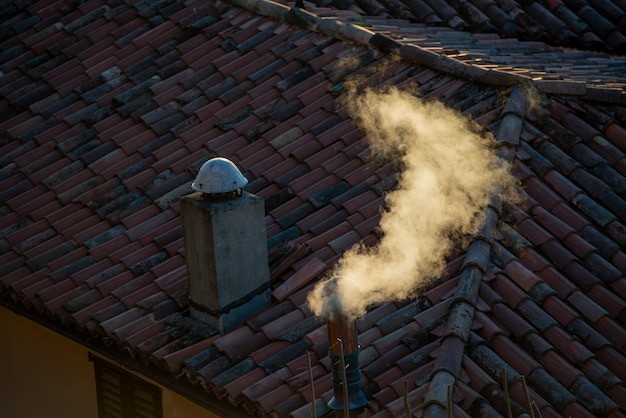
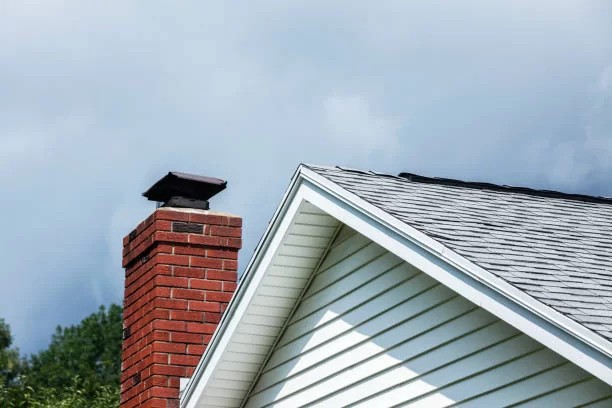
5. Check the Chimney Cap and Screen
The chimney cap is a small but vital component that protects your system.
Functions of a chimney cap:
- Prevents rainwater from entering
- Keeps animals and birds out
- Blocks debris from falling in
Signs of damage:
- Rust or corrosion
- Missing mesh screen
- Loose or broken cover
Replacing or repairing a damaged cap is a simple but important maintenance step.
6. Inspect the Fireplace Damper
The damper controls airflow inside the chimney and helps regulate heat loss when the fireplace is not in use.
Common issues:
- Rusted or stuck damper
- Poor sealing
- Difficulty opening or closing
Why it matters:
A faulty damper can cause heat loss in winter and allow cold air to enter your home when the fireplace is not in use.
7. Ensure Proper Ventilation
Good airflow is essential for a safe and efficient fireplace.
Signs of poor ventilation:
- Smoke backing into the room
- Weak or inconsistent flames
- Excess soot buildup
Causes:
- Blocked flue
- Incorrect chimney height
- Closed or malfunctioning damper
Proper ventilation ensures clean burning and prevents dangerous gas buildup.
8. Check for Cracks and Structural Damage
Over time, heat and moisture can damage the fireplace structure.
Areas to inspect:
- Firebox bricks
- Mortar joints
- Chimney exterior
- Chimney crown
Why it’s serious:
Cracks allow moisture to enter, which can freeze and expand during winter, worsening the damage significantly.
9. Clean Glass Doors and Screens (If Applicable)
Many modern fireplaces include glass doors or protective screens.
Maintenance tips:
- Clean glass regularly using fireplace-safe cleaners
- Remove soot buildup to maintain visibility
- Inspect screens for tears or damage
Clean glass not only improves appearance but also ensures proper airflow and heat distribution.
10. Use Seasoned Firewood Only
The type of wood you burn directly impacts fireplace performance.
Best choice:
- Dry, seasoned hardwood (oak, maple, ash)
Avoid:
- Green or wet wood
- Treated or painted wood
- Softwood with high resin content
Why it matters:
Seasoned wood burns more efficiently, produces less smoke, and reduces creosote buildup.
11. Maintain Proper Fireplace Usage Habits
Good habits go a long way in keeping your fireplace safe.
Best practices:
- Avoid overloading the firebox
- Keep flammable materials away from the hearth
- Never leave fires unattended
- Use a fire screen for added protection
Responsible use helps extend the life of your fireplace system.
12. Check for Smoke and Carbon Monoxide Detectors
Safety devices are essential when using any fireplace.
What you should have:
- Smoke detectors near fireplace areas
- Carbon monoxide detectors on each floor of your home
Maintenance tips:
- Test batteries regularly
- Replace detectors every 5–10 years
These devices provide early warning in case of dangerous situations.
13. Inspect Gas Fireplaces Separately (If Applicable)
Gas fireplaces require different maintenance than wood-burning ones.
Key checks:
- Gas line leaks
- Burner cleanliness
- Pilot light functionality
- Vent system condition
Warning signs:
- Strange gas smell
- Weak or uneven flames
- Difficulty igniting
Gas systems should always be serviced by a qualified technician if issues arise.
14. Waterproof and Seal Exterior Chimney Surfaces
Moisture is one of the biggest threats to chimney health.
Protection methods:
- Apply waterproof sealant to masonry
- Repair damaged flashing
- Fix cracked chimney crowns
Why it matters:
Water infiltration leads to erosion, mold growth, and structural weakening over time.
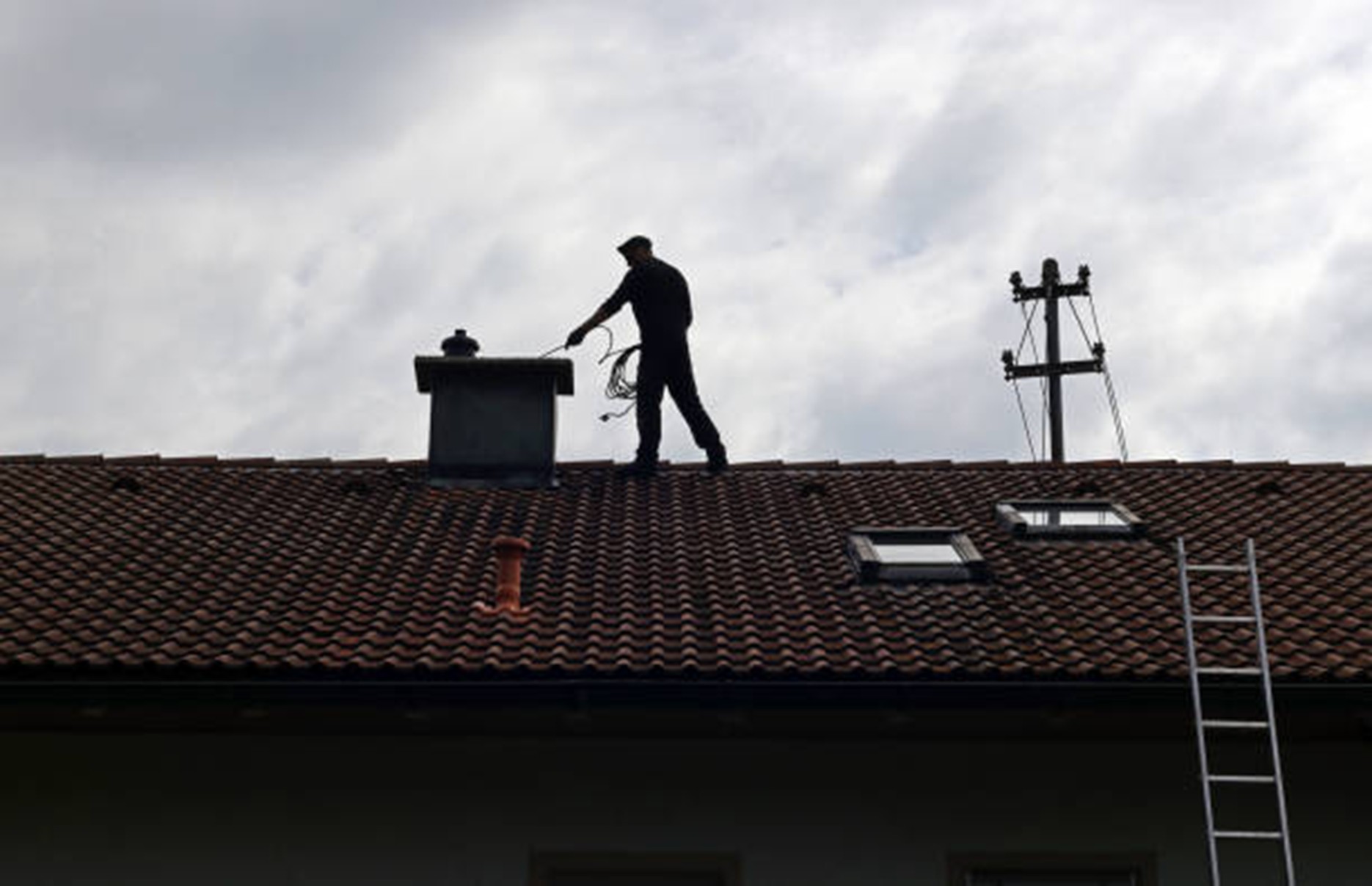
15. Schedule Annual Professional Cleaning (Chimney Sweeping)
Even with regular home maintenance, professional cleaning is essential.
What professionals do:
- Remove creosote buildup
- Inspect hidden damage
- Clear blockages
- Ensure compliance with safety standards
Recommended frequency:
At least once per year, or more if you use your fireplace heavily.
Final Thoughts
A fireplace is a valuable feature that adds warmth and comfort to your home, but it requires consistent care to remain safe and efficient. Regular maintenance helps prevent fire hazards, improves heating performance, and extends the lifespan of your entire chimney system.
By following these maintenance tips—from cleaning ash and checking dampers to scheduling professional inspections—you can enjoy your fireplace with peace of mind throughout the winter season.
A well-maintained fireplace doesn’t just heat your home—it protects it.