Summer is one of the busiest times of year for outdoor entertaining. Families host backyard barbecues, pool parties, holiday gatherings, and weekend cookouts, making patios and outdoor kitchens central gathering spaces for friends and guests. In Florida and other warm-weather regions, outdoor living areas often see year-round use, which means masonry surfaces and structures endure constant exposure to sun, humidity, rain, and changing temperatures.
While brick patios, stone walkways, outdoor fireplaces, and custom outdoor kitchens are built for durability, they are not immune to wear and deterioration. Over time, moisture intrusion, shifting soil, heat exposure, and weather conditions can slowly damage masonry surfaces and structural components.
Unfortunately, many homeowners overlook small masonry problems until they become major repair issues. Cracked pavers, loose stones, uneven surfaces, and deteriorating mortar may seem cosmetic at first, but they often signal deeper structural concerns that can worsen quickly during heavy summer use.
Inspecting outdoor masonry before entertaining season begins helps homeowners avoid safety hazards, expensive repairs, and last-minute project delays while ensuring their outdoor spaces remain attractive, functional, and ready for guests.
Why Outdoor Masonry Structures Experience Wear Over Time
Outdoor patios and kitchens are constantly exposed to environmental stress. Unlike interior spaces, masonry surfaces must withstand direct sunlight, moisture, storms, and ground movement throughout the year.
Several factors contribute to long-term deterioration, including:
- Heavy rainfall and humidity
- UV exposure and heat expansion
- Soil settling and shifting
- Poor drainage
- Salt exposure in coastal areas
- Freeze-thaw cycles in some regions
- Frequent foot traffic
- Outdoor cooking heat and smoke
Even professionally installed masonry features require maintenance and occasional repairs to preserve their structural integrity and appearance.
Cracked Pavers or Stone Surfaces
One of the most obvious warning signs that a masonry patio or outdoor kitchen needs repairs is visible cracking.
What Causes Masonry Cracks?
Cracks can develop for several reasons, including:
- Soil movement beneath the patio
- Water erosion
- Improper installation
- Tree root intrusion
- Temperature expansion and contraction
- Heavy furniture or equipment loads
Small surface cracks may initially appear harmless, but they can allow moisture to penetrate beneath the masonry. Over time, water intrusion often leads to additional shifting, widening cracks, and structural instability.
Why Cracks Should Not Be Ignored
Cracked pavers and stone surfaces can:
- Create tripping hazards
- Allow weed growth
- Trap standing water
- Accelerate deterioration
- Reduce curb appeal
- Weaken surrounding masonry
Addressing cracks early can prevent larger sections of the patio or kitchen area from requiring replacement later.
Uneven or Sunken Patio Areas
If sections of a patio appear uneven or begin sinking, this often indicates problems beneath the surface.
Common Causes of Patio Settlement
Patio settling may occur because of:
- Poor base preparation
- Erosion beneath pavers
- Improper drainage
- Soil compaction issues
- Heavy rainfall washing away support material
In Florida and other humid climates, frequent rainstorms can gradually erode the soil beneath patios, causing sections to sink or shift.
Why Uneven Surfaces Are a Serious Concern
Uneven masonry creates several problems:
- Increased trip hazards
- Water pooling issues
- Structural stress on surrounding materials
- Patio instability
- Reduced usability for entertaining
Outdoor kitchens built on shifting foundations may also experience damage to countertops, appliances, plumbing, or gas connections if movement continues.
Loose or Wobbling Stones and Pavers
Loose masonry materials are another common sign that repairs are needed before summer gatherings begin.
Pavers or stones may loosen because of:
- Deteriorated joint sand
- Moisture intrusion
- Ground movement
- Aging mortar
- Repeated foot traffic
Homeowners often notice wobbling surfaces when walking across patios or around seating areas.
Why Loose Masonry Is Dangerous
Loose stones and pavers create:
- Safety hazards for guests
- Increased risk of falls
- Accelerated surrounding damage
- Greater water penetration
If ignored, loose materials can eventually spread to larger sections of the patio or outdoor kitchen area.
Deteriorating Mortar Joints
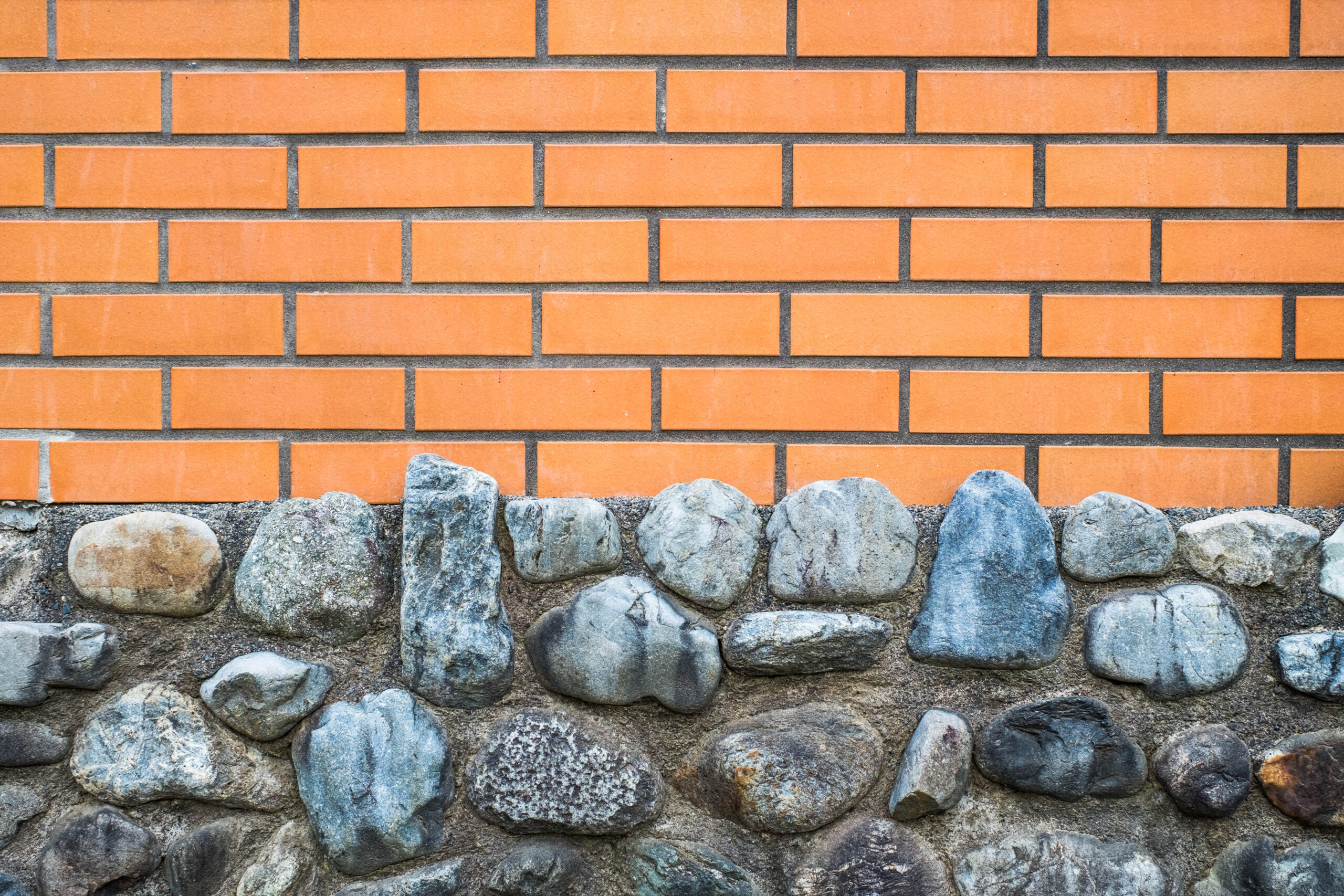
Mortar plays a critical role in holding brick and stone structures together. Over time, exposure to moisture and heat gradually weakens mortar joints.
Signs of Mortar Damage
Watch for:
- Crumbling mortar
- Missing joint material
- Cracks between bricks or stones
- Loose masonry pieces
- Gaps forming in vertical joints
Outdoor kitchens, fireplaces, retaining walls, and decorative masonry are especially vulnerable to mortar deterioration because of constant weather exposure.
Why Mortar Repairs Matter
Damaged mortar allows moisture to penetrate deeper into the structure, which can lead to:
- Structural instability
- Water damage
- Mold growth
- Stone shifting
- Accelerated deterioration
Professional repointing or tuckpointing can restore the strength and appearance of masonry structures before extensive rebuilding becomes necessary.
Water Pooling and Drainage Problems
Proper drainage is essential for preserving outdoor masonry.
If water consistently pools on patios or near outdoor kitchens after rainfall, there may be an underlying drainage issue that requires attention.
Common Signs of Drainage Problems
- Standing water after rain
- Moss or algae growth
- Mud collecting near pavers
- Erosion around patio edges
- Water flowing toward the home
- Damp or slippery surfaces
How Water Damages Masonry
Excess moisture weakens the base beneath patios and contributes to:
- Surface cracking
- Soil erosion
- Mold and mildew
- Foundation movement
- Paver shifting
Water problems often worsen during summer storm season, making preventative repairs especially important before entertaining increases.
Efflorescence and Surface Staining
White chalky stains appearing on brick or stone surfaces are known as efflorescence.
What Causes Efflorescence?
Efflorescence occurs when moisture moves through masonry materials and leaves behind salt deposits as water evaporates.
This often signals:
- Excess moisture intrusion
- Poor sealing
- Drainage issues
- Water trapped beneath the patio
Why Staining May Indicate Larger Problems
While some staining is cosmetic, ongoing moisture movement can eventually lead to deeper structural damage.
Other types of discoloration, including rust stains, dark moisture patches, or green algae growth, may also indicate hidden water issues.
Outdoor Kitchen Countertop Cracking
Outdoor kitchen countertops endure constant exposure to:
- UV rays
- Heat
- Rain
- Humidity
- Cooking temperatures
Over time, countertops may begin developing:
- Hairline cracks
- Surface discoloration
- Separation around seams
- Chips or edge damage
Why Countertop Damage Should Be Addressed Quickly
Cracks in outdoor kitchen surfaces can allow water intrusion that damages:
- Cabinet framing
- Appliance connections
- Supporting masonry
- Electrical components
Prompt repairs help preserve both functionality and appearance before summer cooking season begins.
Rusting Metal Components
Outdoor kitchens and masonry features often contain metal elements such as:
- Grill inserts
- Vent covers
- Steel supports
- Fireplace doors
- Decorative fixtures
Florida humidity and coastal salt exposure can accelerate corrosion over time.
Warning Signs of Rust Damage
- Orange staining on masonry
- Corroded fasteners
- Weakening metal frames
- Rusted fireplace components
- Deteriorating appliance trim
Rust can eventually compromise the structural support of outdoor kitchen systems if left untreated.
Smoke Damage or Fireplace Deterioration
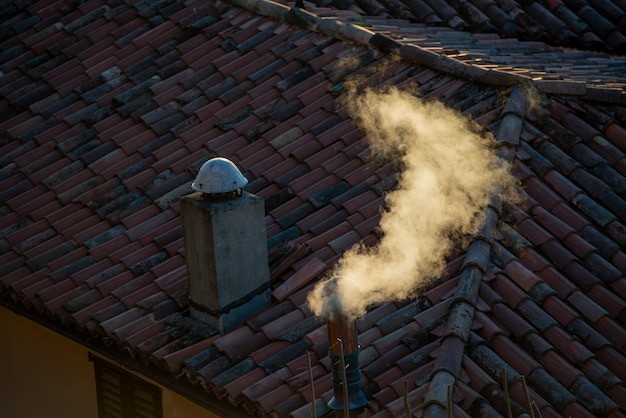
For homeowners with outdoor fireplaces, chimney systems, or pizza ovens, masonry inspections are especially important before entertaining season.
Signs Your Outdoor Fireplace Needs Repairs
- Cracked firebrick
- Loose stone veneer
- Damaged chimney caps
- Smoke drafting problems
- Black staining around openings
- Water leaks near fireplace structures
Outdoor fireplaces experience repeated heating and cooling cycles that gradually stress masonry materials.
Why Fireplace Maintenance Matters
Damaged fireplaces can become safety hazards and may allow water intrusion that weakens surrounding structures.
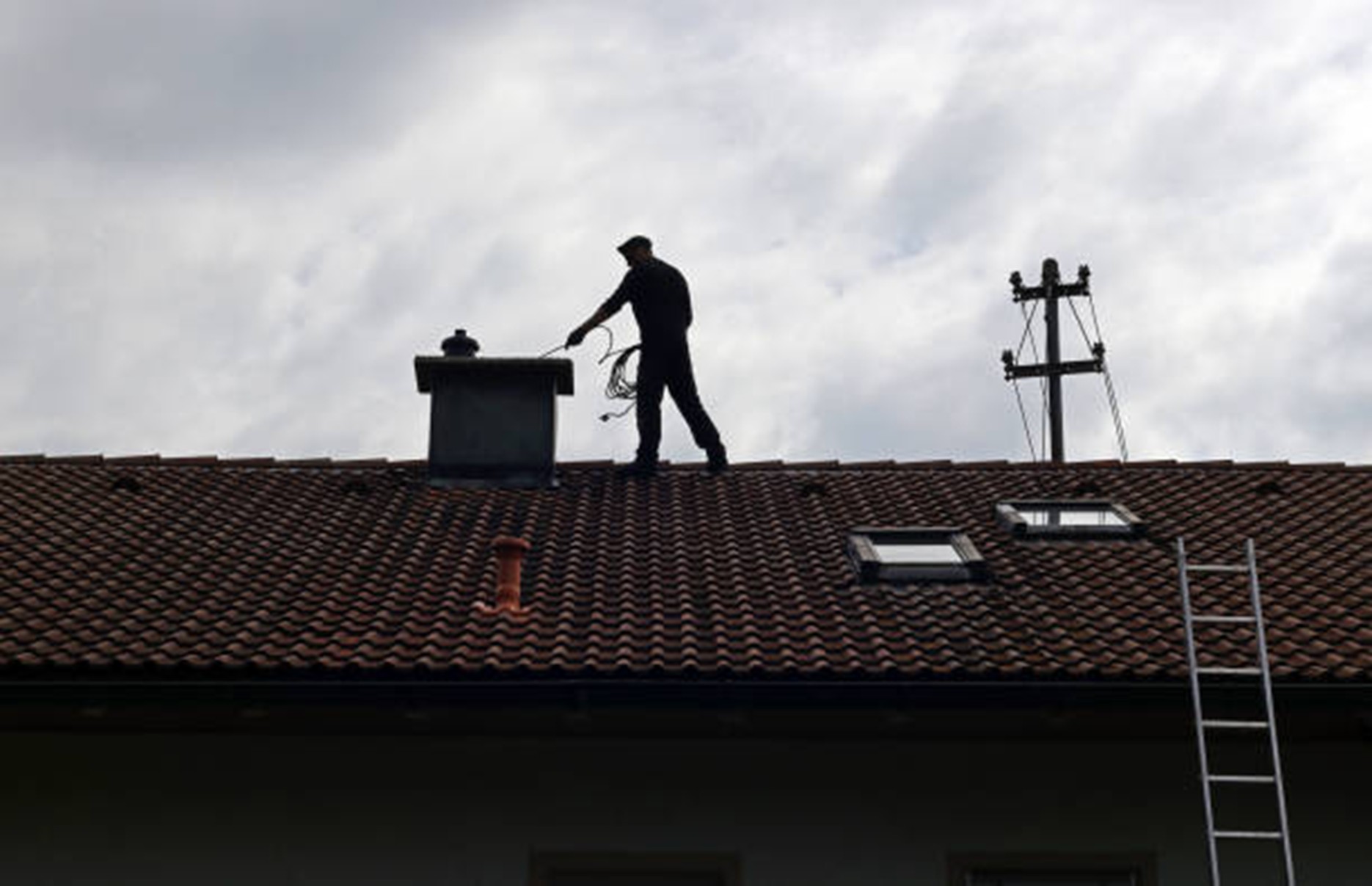
Professional inspections help ensure fireplaces remain safe and functional during heavy seasonal use.
Mold, Mildew, and Algae Growth
Humid climates create ideal conditions for biological growth on masonry surfaces.
Common Areas for Growth
- Shaded patios
- Retaining walls
- Outdoor kitchen backsplashes
- Fireplace exteriors
- Poolside masonry
Why Biological Growth Should Be Removed
Mold, algae, and mildew can:
- Create slippery surfaces
- Damage masonry finishes
- Trap moisture
- Accelerate deterioration
- Reduce visual appeal
Professional cleaning and sealing may be necessary to fully address recurring growth issues.
Loose Veneer or Decorative Stonework
Decorative stone veneers are popular design elements for outdoor kitchens, fireplaces, and seating walls.
Over time, homeowners may notice:
- Stones pulling away from surfaces
- Hollow sounds behind veneer
- Cracked adhesive joints
- Missing veneer pieces
Why Veneer Separation Is Serious
Loose veneer materials may eventually detach completely, creating safety risks and exposing underlying structures to water damage.
Repairs should be completed before heavy outdoor use begins.
Appliance Area Shifting or Structural Movement
Outdoor kitchens often contain built-in appliances such as:
- Grills
- Refrigerators
- Sinks
- Ice makers
- Pizza ovens
If the supporting masonry shifts or settles, homeowners may notice:
- Misaligned appliances
- Uneven countertops
- Cabinet separation
- Cracked utility lines
Structural movement should always be evaluated promptly to prevent larger repairs and safety concerns.
Why Small Masonry Problems Become Larger During Summer
Summer entertaining season places additional stress on outdoor spaces.
Heavy foot traffic, furniture movement, cooking activity, and increased moisture exposure can rapidly worsen existing damage.
Minor issues that seem manageable during cooler months may quickly escalate into:
- Major patio instability
- Larger cracks
- Extensive water intrusion
- Appliance damage
- Safety hazards for guests
Addressing repairs early helps homeowners avoid emergency projects during peak outdoor entertaining months.
The Benefits of Scheduling Repairs Before Summer
Completing masonry repairs before summer offers several important advantages.
Improved Safety
Repairing uneven surfaces and loose materials reduces fall risks for guests and family members.
Better Appearance
Freshly repaired patios and kitchens create a cleaner, more inviting outdoor environment.
Prevents Costly Structural Damage
Addressing minor issues early often prevents major reconstruction later.
Enhances Property Value
Well-maintained outdoor living areas improve curb appeal and buyer perception.
Maximizes Outdoor Enjoyment
Homeowners can enjoy their outdoor spaces confidently without worrying about ongoing repair concerns.
Preventative Maintenance Tips for Outdoor Masonry
Homeowners can extend the lifespan of patios and outdoor kitchens through routine maintenance.
Keep Surfaces Clean
Remove dirt, debris, and organic growth regularly to reduce moisture retention.
Address Drainage Problems Quickly
Redirect water away from patios and outdoor kitchens whenever possible.
Seal Masonry Surfaces
Professional sealing helps reduce moisture absorption and staining.
Inspect Mortar Annually
Small mortar repairs prevent larger structural deterioration.
Avoid Harsh Pressure Washing
Improper cleaning methods can damage brick, stone, and joint materials.
Schedule Professional Inspections
Routine inspections help identify hidden problems before they worsen.
Final Thoughts
Masonry patios and outdoor kitchens add beauty, functionality, and long-term value to outdoor living spaces, but they also require regular maintenance to remain safe and visually appealing. Cracked pavers, deteriorating mortar, drainage issues, loose stonework, and structural movement are all signs that repairs may be needed before summer entertaining season begins.
Ignoring small masonry problems can lead to larger structural damage, safety concerns, and costly repairs over time—especially in humid and storm-prone climates like Florida.
By scheduling inspections and repairs early, homeowners can protect their investment, improve outdoor safety, and ensure their backyard spaces are fully prepared for summer gatherings, cookouts, and outdoor entertaining.
Professional masonry maintenance not only extends the life of patios and outdoor kitchens but also helps homeowners enjoy their outdoor living spaces with greater confidence and peace of mind for years to come.