Many homeowners rarely think about their chimney until a problem becomes impossible to ignore. However, your chimney plays a critical role in protecting your home by safely venting smoke, gases, and heat from fireplaces and heating appliances. Like any part of a home exposed to the elements year-round, chimneys experience wear and tear that can gradually lead to serious structural and safety issues.
Florida’s unique weather conditions, including heavy rain, humidity, strong winds, and occasional storms, can accelerate chimney deterioration. What may begin as a small crack or minor water intrusion can eventually lead to costly repairs, interior damage, and even fire hazards.
Recognizing the early warning signs of chimney problems allows homeowners to address issues before they become expensive emergencies. In this guide, we’ll explore the most common signs your chimney may need professional repair and explain why prompt attention is essential.
Why Chimney Maintenance Matters
Many homeowners assume that because their chimney appears sturdy from the outside, it requires little maintenance. Unfortunately, chimneys endure constant exposure to:
- Rain
- Sunlight
- Wind
- Moisture
- Temperature changes
- Debris accumulation
Over time, these elements can weaken masonry, damage mortar joints, and create pathways for water intrusion.
Routine inspections and repairs help:
- Improve safety
- Prevent structural damage
- Extend chimney lifespan
- Reduce repair costs
- Maintain home value
Ignoring chimney issues often leads to more extensive and expensive repairs later.
Sign #1: Cracked or Damaged Masonry
One of the earliest signs of chimney deterioration is visible damage to the brick or stone exterior.
What Causes Masonry Damage?
Several factors can contribute to cracking, including:
- Moisture penetration
- Ground settlement
- Storm damage
- Aging materials
- Improper construction
Why Cracks Are a Serious Concern
Even small cracks can allow water to enter the chimney structure.
Over time, moisture infiltration may cause:
- Larger cracks
- Brick deterioration
- Interior water damage
- Structural instability
If left untreated, masonry damage can spread throughout the chimney system.
Repair Solutions
Professional chimney repair may involve:
- Brick replacement
- Crack sealing
- Tuckpointing
- Masonry restoration
Addressing these issues early can significantly extend the life of the chimney.
Sign #2: Deteriorating Mortar Joints
Mortar serves as the glue that holds chimney bricks together.
As chimneys age, mortar joints often begin to deteriorate due to weather exposure.
Signs of Mortar Damage
- Crumbling mortar
- Missing mortar sections
- Visible gaps between bricks
- Loose masonry
Risks of Deteriorating Mortar
Weak mortar joints compromise the chimney’s structural integrity.
Potential consequences include:
- Water intrusion
- Brick displacement
- Leaning chimneys
- Collapse risks
Repair Solution
Tuckpointing is a common repair method that removes damaged mortar and replaces it with fresh material to restore strength and stability.
Sign #3: Water Leaks Around the Chimney
Water is one of the most destructive forces affecting chimneys.
Even a small leak can create significant problems over time.
Common Signs of Water Intrusion
- Ceiling stains
- Wall discoloration
- Damp odors
- Mold growth
- Peeling paint near the fireplace
Why Chimney Leaks Occur
Leaks often develop due to:
- Damaged flashing
- Cracked masonry
- Missing chimney caps
- Worn crown surfaces
Consequences of Water Damage
Moisture can damage:
- Insulation
- Drywall
- Framing materials
- Masonry components
Prompt repairs help prevent costly interior restoration projects.
Sign #4: White Staining on the Chimney Exterior
Have you noticed a white, powdery substance on your chimney?
This condition is known as efflorescence.
What Causes Efflorescence?
Efflorescence occurs when water enters masonry and dissolves natural salts within the bricks or mortar.
As the moisture evaporates, these salts remain on the surface.
Why It Matters
Although the staining itself isn’t harmful, it indicates ongoing moisture penetration.
Without addressing the source of water intrusion, more serious masonry damage may develop.
Repair Solution
Professional inspections can identify moisture sources and recommend appropriate waterproofing measures.
Sign #5: Damaged Chimney Crown
The chimney crown sits at the top of the chimney and serves as a protective barrier against water intrusion.
Common Crown Problems
- Cracks
- Chipping
- Missing sections
- Surface deterioration
Why Crown Damage Is Dangerous
A compromised crown allows water to enter the chimney system.
This can accelerate:
- Brick deterioration
- Mortar damage
- Interior leaks
Repair Options
Depending on the severity of the damage, repairs may include:
- Crown sealing
- Resurfacing
- Complete crown replacement
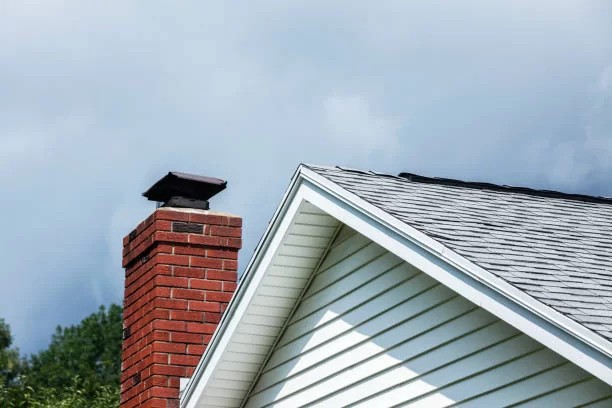
Sign #6: Missing or Damaged Chimney Cap
A chimney cap serves as the first line of defense against weather, debris, and pests.
Functions of a Chimney Cap
It helps prevent:
- Rain entry
- Animal intrusion
- Debris accumulation
- Downdrafts
Signs Your Chimney Cap Needs Attention
- Rust
- Loose attachment
- Visible damage
- Missing cap entirely
Risks of a Missing Chimney Cap
Without protection, the chimney becomes vulnerable to water damage and blockages.
Installing or replacing a chimney cap is often one of the simplest and most cost-effective repairs available.
Sign #7: Leaning Chimney Structure
A chimney should stand perfectly vertical.
If you notice any leaning or shifting, immediate professional evaluation is necessary.
Possible Causes
- Foundation settlement
- Soil movement
- Water damage
- Structural deterioration
Why It’s Serious
A leaning chimney can pose significant safety hazards.
Structural instability may eventually result in:
- Falling bricks
- Property damage
- Chimney collapse
Repair Solution
Structural repairs vary depending on the underlying cause and severity of movement.
Sign #8: Interior Fireplace Damage
Chimney problems often reveal themselves inside the home.
Warning Signs Near the Fireplace
- Cracked firebox walls
- Damaged mortar
- Loose bricks
- Smoke entering the room
Potential Risks
These issues can reduce chimney efficiency and increase fire hazards.
Professional inspections can identify whether repairs are needed within the fireplace system itself.
Sign #9: Strong Odors Coming From the Fireplace
Unpleasant smells originating from the fireplace often indicate hidden chimney issues.
Common Causes
- Moisture buildup
- Creosote accumulation
- Animal nests
- Debris blockage
Why Odors Shouldn’t Be Ignored
Persistent odors may signal conditions that affect both safety and chimney performance.
Proper cleaning and repair can often resolve these issues.
Sign #10: Falling Chimney Debris
Finding brick fragments, mortar pieces, or other debris around the fireplace or exterior chimney is never a good sign.
What It Indicates
Falling debris often points to:
- Advanced masonry deterioration
- Mortar failure
- Structural instability
Why Immediate Repairs Are Important
Ignoring loose materials increases the risk of more significant structural failures.
Prompt intervention helps prevent extensive damage.
The Importance of Professional Chimney Inspections
Many chimney problems develop gradually and remain hidden until serious damage occurs.
Professional inspections help identify:
- Structural concerns
- Moisture issues
- Masonry deterioration
- Ventilation problems
- Safety hazards
Regular inspections are especially important after severe storms or prolonged periods of heavy rainfall.
Benefits of Timely Chimney Repairs
Addressing chimney problems early offers several advantages.
Improved Safety
Repairs reduce the risk of:
- Fire hazards
- Structural failures
- Carbon monoxide issues
Lower Repair Costs
Small repairs are generally much less expensive than major reconstruction projects.
Extended Chimney Lifespan
Routine maintenance helps maximize the longevity of masonry components.
Better Home Protection
Preventing water intrusion protects the surrounding structure from damage.
Enhanced Property Value
A well-maintained chimney contributes positively to overall property appearance and marketability.
How to Prevent Future Chimney Problems
Preventive maintenance is the best defense against costly repairs.
Schedule Annual Inspections
Professional evaluations help detect issues before they worsen.
Install a Chimney Cap
Caps provide valuable protection against weather and debris.
Address Water Issues Quickly
Any signs of leaks or moisture should be investigated promptly.
Repair Minor Damage Early
Small cracks and mortar deterioration are easier and less expensive to fix when caught early.
Conclusion
Your chimney is constantly exposed to harsh environmental conditions, making regular maintenance and prompt repairs essential. Cracked masonry, deteriorating mortar, water leaks, damaged crowns, and structural movement are all warning signs that should never be ignored. Addressing these problems early helps protect your home, improve safety, and prevent costly future repairs. For professional chimney inspections, masonry restoration, and expert repair services, homeowners can trust Creative Masonry & Chimney LLC to keep their chimney strong, safe, and functioning properly.
Frequently Asked Questions
1. How often should a chimney be inspected?
Most experts recommend a professional chimney inspection at least once a year to identify potential problems early.
2. What causes chimney bricks to crack?
Common causes include moisture penetration, age, foundation settlement, weather exposure, and structural movement.
3. Is a small chimney crack a serious issue?
Yes. Even small cracks can allow water intrusion that may lead to larger structural problems over time.
4. Why is my chimney leaking during rainstorms?
Leaks often result from damaged flashing, cracked crowns, deteriorating masonry, or missing chimney caps.
5. Can chimney repairs increase home value?
Yes. A properly maintained chimney improves safety, appearance, and overall property condition, making the home more attractive to buyers.