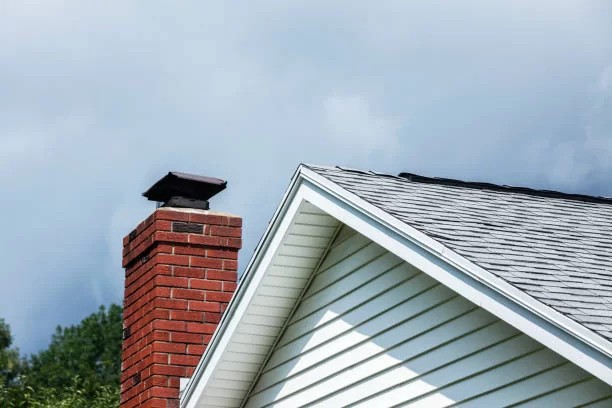
Outdoor fireplaces have become one of the most desirable additions to modern outdoor living spaces. Whether serving as the centerpiece of a backyard entertainment area or providing warmth during cool evenings, an outdoor fireplace adds both beauty and functionality to a property. However, the success and longevity of any outdoor fireplace project depend heavily on selecting the right stone and brick materials.
The materials used in an outdoor fireplace must withstand changing weather conditions, temperature fluctuations, moisture exposure, and years of use while maintaining their appearance and structural integrity. Choosing the wrong materials can lead to cracking, deterioration, expensive repairs, and reduced lifespan.
This guide explores the various stone and brick options available for outdoor fireplace construction, their benefits and drawbacks, and how homeowners can make informed decisions when planning their outdoor living investment.
Why Material Selection Matters for Outdoor Fireplaces
Outdoor fireplaces are exposed to environmental conditions that indoor fireplaces rarely encounter. Rain, snow, humidity, UV rays, freezing temperatures, and intense heat from fires all affect the materials over time.
The right materials provide:
- Long-term durability
- Weather resistance
- Fire resistance
- Low maintenance requirements
- Enhanced curb appeal
- Increased property value
- Better structural stability
Selecting quality materials from the beginning can save homeowners thousands of dollars in future repairs and maintenance.
Understanding the Components of an Outdoor Fireplace
Before selecting materials, it is important to understand the primary parts of an outdoor fireplace.
Firebox
The firebox is the interior chamber where the fire burns. This area experiences extreme heat and requires specialized fire-resistant materials.
Fireplace Veneer
The exterior visible surface typically consists of decorative stone or brick that creates the desired appearance.
Hearth
The hearth extends outward from the firebox and provides a safe area around the fire.
Chimney
The chimney directs smoke upward and must withstand heat, moisture, and weather exposure.
Each component may require different materials depending on its purpose and exposure level.
Natural Stone Options for Outdoor Fireplaces
Natural stone remains one of the most popular choices for outdoor fireplace construction due to its durability and timeless appearance.
Limestone
Limestone offers a clean, elegant look that works well with traditional and contemporary outdoor designs.
Advantages
- Natural beauty
- Available in various colors
- Easy to shape and customize
- Excellent aesthetic appeal
Considerations
- Can absorb moisture
- May require sealing
- Some varieties are softer than other stones
Limestone works particularly well in moderate climates where freeze-thaw cycles are less severe.
Granite
Granite is among the strongest and most durable natural stones available.
Advantages
- Exceptional durability
- Heat resistant
- Scratch resistant
- Low maintenance
- Long lifespan
Considerations
- Higher material cost
- Heavier installation requirements
- More difficult to cut and shape
For homeowners seeking maximum longevity, granite is often an excellent investment.
Fieldstone
Fieldstone creates a rustic and natural appearance that blends beautifully into outdoor landscapes.
Advantages
- Unique natural shapes
- Excellent durability
- Rustic charm
- Strong weather resistance
Considerations
- Labor-intensive installation
- Higher masonry costs
- Irregular sizing can complicate construction
Fieldstone fireplaces often become striking focal points in outdoor living spaces.
Sandstone
Sandstone offers warm earth-tone colors and a natural textured appearance.
Advantages
- Attractive color variations
- Natural aesthetic
- Easy to work with
Considerations
- More porous than granite
- Requires sealing
- Can weather over time
Proper maintenance helps sandstone maintain its beauty for years.
Slate
Slate provides a sophisticated and modern appearance.
Advantages
- Distinctive texture
- Wide color selection
- Fire resistant
- Durable surface
Considerations
- Can be expensive
- Some varieties may chip
- Requires professional installation
Slate is often selected for upscale outdoor fireplace projects.
Manufactured Stone Veneer
Manufactured stone has become increasingly popular as a cost-effective alternative to natural stone.
What Is Manufactured Stone?
Manufactured stone consists of cement-based products molded and colored to resemble natural stone.
Advantages
- Lower cost
- Lightweight construction
- Easier installation
- Consistent sizing
- Wide variety of styles
Potential Drawbacks
- Not as durable as natural stone
- Quality varies among manufacturers
- May require periodic maintenance
Modern manufactured stone products can closely replicate the appearance of natural materials while reducing project costs.
Brick Options for Outdoor Fireplaces
Brick remains a classic material choice that offers both durability and timeless appeal.
Traditional Clay Brick
Clay brick has been used in fireplace construction for centuries.
Advantages
- Excellent heat resistance
- Long lifespan
- Timeless appearance
- Wide color selection
Considerations
- Mortar joints require maintenance
- Some bricks absorb moisture
- Professional installation recommended
Properly installed clay brick fireplaces can last for decades.
Fire Brick
Fire bricks are specifically designed to withstand high temperatures.
Common Uses
- Firebox construction
- Interior fireplace walls
- Areas exposed to direct flame
Benefits
- Extreme heat resistance
- Prevents cracking
- Improves safety
- Extends fireplace lifespan
Every outdoor fireplace should incorporate fire bricks in heat-exposed areas.
Reclaimed Brick
Reclaimed bricks provide character and historical charm.
Advantages
- Unique appearance
- Sustainable building choice
- Distinctive texture
- Vintage aesthetic
Considerations
- Variable quality
- May require additional preparation
- Limited availability
Many homeowners appreciate the authentic appearance reclaimed materials provide.
Comparing Stone and Brick
Choosing between stone and brick often depends on design preferences, budget, and maintenance expectations.
Durability
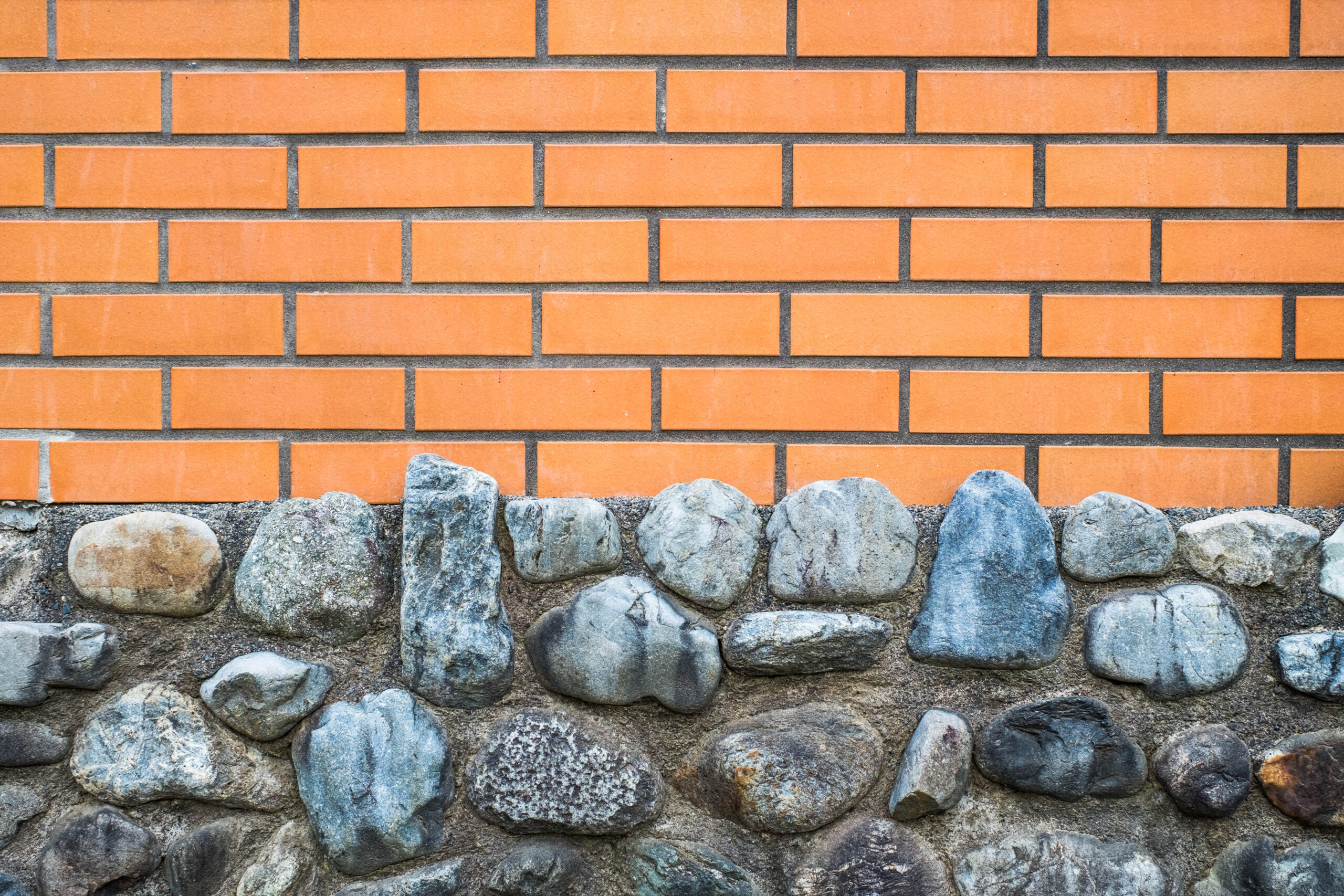
Natural stone generally offers exceptional durability, especially granite and fieldstone.
Brick also performs extremely well but may require occasional mortar repairs.
Appearance
Stone provides:
- Natural texture
- Organic variations
- Rustic or upscale aesthetics
Brick offers:
- Traditional appeal
- Uniform appearance
- Classic architectural style
Cost
Brick is often more affordable than premium natural stone.
Manufactured stone typically falls between brick and natural stone in overall cost.
Installation Complexity
Brick’s uniform dimensions simplify installation.
Natural stone often requires more labor and specialized masonry expertise.
Climate Considerations When Choosing Materials
Local climate should heavily influence material selection.
Freeze-Thaw Regions
Areas experiencing freezing temperatures require materials that resist moisture absorption.
Recommended choices include:
- Granite
- Dense clay brick
- High-quality manufactured stone
- Properly sealed natural stone
Hot and Dry Climates
Most stone and brick materials perform well in warm climates.
UV resistance becomes more important for maintaining appearance.
Coastal Environments
Salt exposure can accelerate deterioration.
Recommended materials include:
- Granite
- Dense masonry products
- Properly sealed stone
Avoid highly porous materials without adequate protection.
Color Selection and Design Compatibility
Material color significantly impacts the overall appearance of an outdoor living space.
Earth Tones
Natural browns, tans, and grays blend well with landscaping.
Contemporary Designs
Modern homes often pair well with:
- Gray granite
- Smooth-cut stone
- Dark brick
- Minimalist masonry designs
Traditional Homes
Classic designs frequently incorporate:
- Red brick
- Limestone
- Fieldstone
- Warm neutral colors
Matching the fireplace materials to the home’s exterior creates visual harmony.
Maintenance Requirements
Different materials require varying levels of maintenance.
Natural Stone Maintenance
Regular maintenance includes:
- Cleaning debris
- Inspecting mortar joints
- Applying sealants when needed
- Addressing cracks promptly
Brick Maintenance
Homeowners should monitor:
- Mortar deterioration
- Efflorescence
- Moisture damage
- Surface cracking
Manufactured Stone Care
Routine inspections help identify:
- Loose sections
- Water intrusion
- Joint failures
- Surface wear
Preventive maintenance extends the lifespan of any outdoor fireplace.
Importance of Proper Mortar Selection
The mortar used between stones or bricks plays a critical role in structural performance.
Quality mortar should provide:
- Strong adhesion
- Flexibility
- Weather resistance
- Compatibility with masonry materials
Using inappropriate mortar can lead to cracking and premature deterioration.
Professional masons understand which mortar formulations work best for specific materials and climate conditions.
Structural Considerations
An outdoor fireplace is more than a decorative feature—it is a substantial masonry structure.
Foundation Requirements
The weight of stone and brick fireplaces requires a stable foundation.
Factors affecting foundation design include:
- Soil conditions
- Fireplace size
- Material weight
- Local building codes
Load-Bearing Capacity
Natural stone is considerably heavier than manufactured stone.
Proper engineering ensures long-term stability.
Budget Planning for Material Selection
Outdoor fireplace costs vary significantly based on material choices.
Lower-Cost Options
- Standard brick
- Manufactured stone veneer
Mid-Range Options
- Premium brick
- Select natural stones
- Combination masonry designs
Premium Options
- Granite
- Custom-cut stone
- Full natural stone construction
While premium materials increase upfront costs, they often deliver superior durability and lower long-term maintenance expenses.
Common Material Selection Mistakes
Prioritizing Appearance Over Performance
Beautiful materials that cannot withstand local climate conditions may fail prematurely.
Ignoring Maintenance Requirements
Some homeowners underestimate ongoing care needs.
Using Non-Fire-Rated Materials
Heat-sensitive materials should never be installed near the firebox.
Hiring Inexperienced Contractors
Proper material installation is just as important as material selection itself.
Choosing Based Solely on Cost
The least expensive option may not provide the best long-term value.
Working With Professional Masonry Contractors
Experienced masonry professionals can help homeowners select materials that balance:
- Budget
- Appearance
- Durability
- Climate suitability
- Maintenance expectations
Contractors often have extensive knowledge of how specific stone and brick products perform in local conditions.
Professional guidance can prevent costly mistakes and ensure a successful project outcome.
Increasing Property Value Through Material Selection
A well-designed outdoor fireplace can significantly enhance a property’s value.
Premium materials often create:
- Better curb appeal
- Greater buyer interest
- Improved outdoor living functionality
- Higher perceived home quality
Homeowners considering future resale should view material selection as an investment rather than simply a construction decision.
Sustainability Considerations
Many homeowners now prioritize environmentally responsible building materials.
Sustainable options include:
- Reclaimed brick
- Locally sourced stone
- Durable materials with long lifespans
- Products requiring minimal replacement
Long-lasting materials reduce waste and environmental impact over time.
Conclusion
Choosing the right stone and brick materials for an outdoor fireplace project is one of the most important decisions homeowners will make during the design and construction process. Material selection influences durability, appearance, maintenance requirements, safety, and long-term value.
Natural stones such as granite, limestone, fieldstone, sandstone, and slate each offer unique benefits, while traditional brick continues to provide a timeless and reliable option. Manufactured stone can serve as an attractive, budget-friendly alternative when properly installed.
The best outdoor fireplaces combine quality materials, proper construction techniques, climate-appropriate design, and professional craftsmanship. By carefully evaluating durability, aesthetics, maintenance requirements, and budget considerations, homeowners can create an outdoor fireplace that serves as a beautiful gathering place for years to come.
Investing in the right stone and brick materials today helps ensure an outdoor fireplace remains safe, functional, and visually appealing through every season, providing lasting enjoyment and value for the entire property.