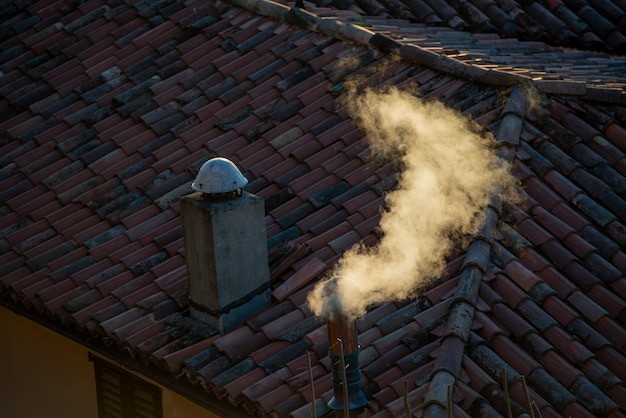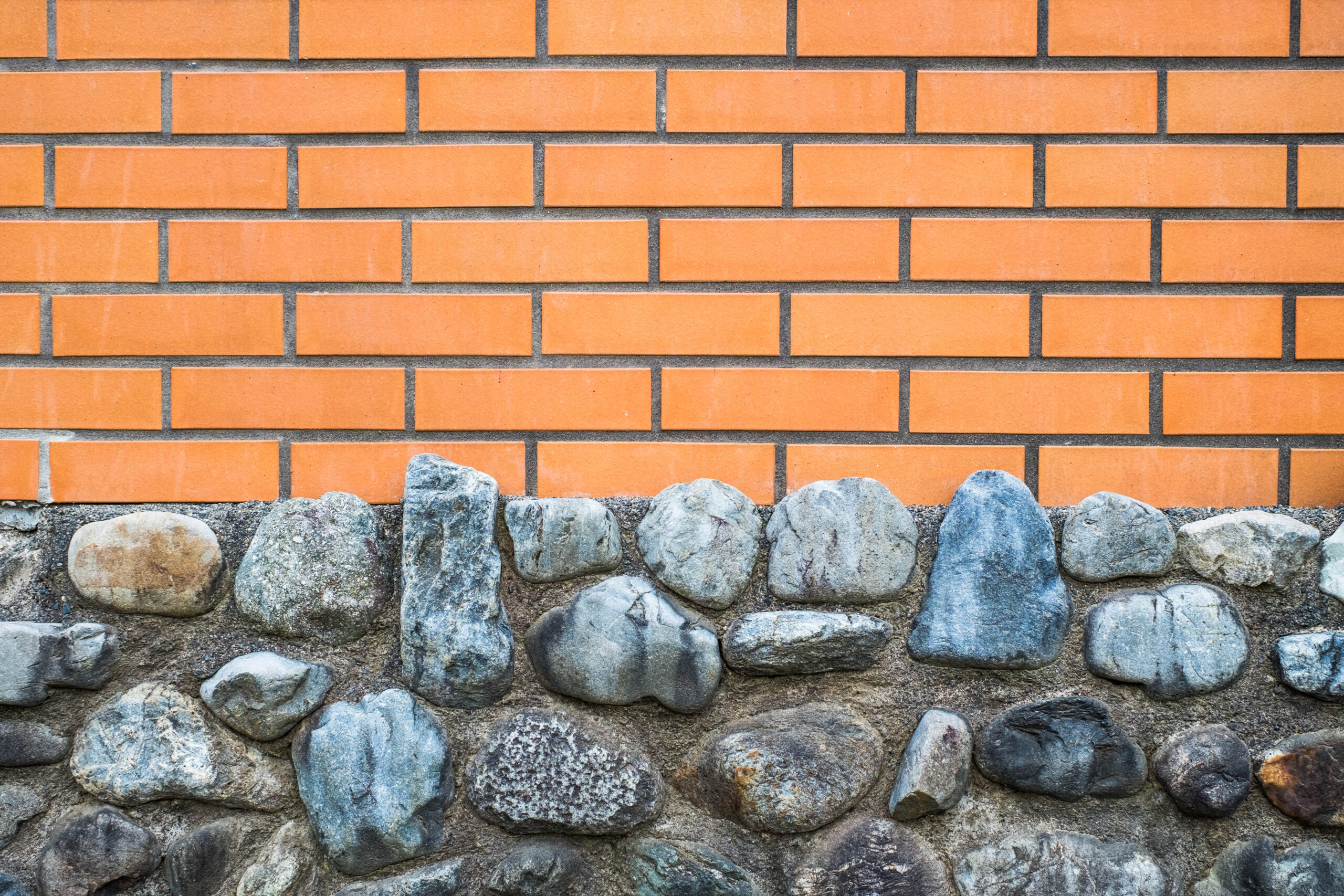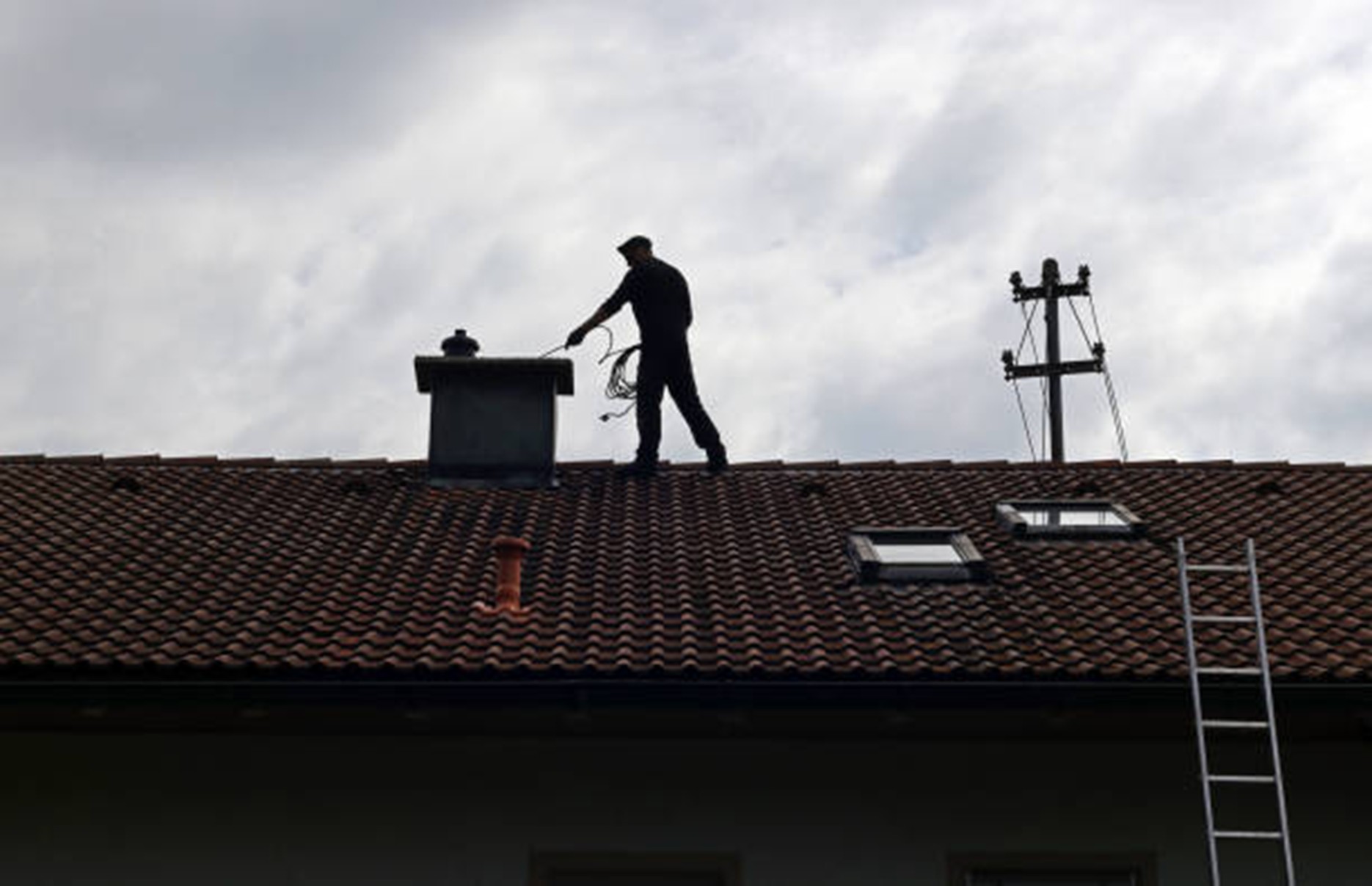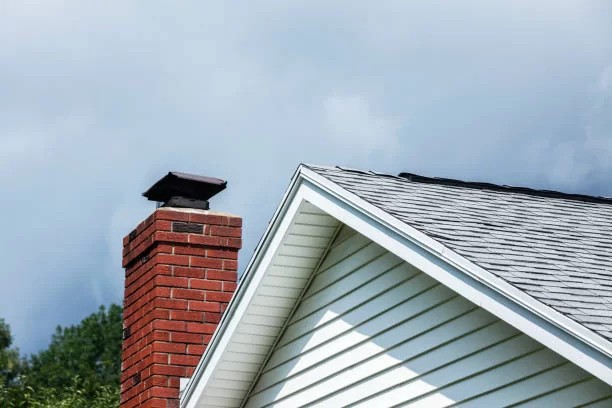
Chimneys in Southwest Florida face a very different set of challenges than those in colder northern climates. Between intense UV exposure, salt-laden coastal air, heavy summer rains, hurricane-force winds, and year-round humidity, masonry systems in Port Charlotte, Punta Gorda, Sarasota, Venice, Fort Myers, and surrounding communities are constantly under stress. Even homes that rarely use their fireplaces can experience chimney damage due to environmental exposure alone.
Creative Masonry & Chimney, based in Port Charlotte, Florida, works with homeowners and businesses throughout Southwest Florida to inspect, repair, and restore chimneys and masonry structures affected by regional weather conditions. Understanding how to spot chimney damage early can help prevent costly structural issues, water intrusion, and safety risks.
This guide explains how to identify common chimney problems in coastal Southwest Florida and when it’s time to call a local professional.
Signs of Chimney Wear in Coastal Climates
Chimneys in coastal climates like Sarasota and Fort Myers deteriorate differently than those in dry inland areas. Salt air, fluctuating moisture levels, and constant sun exposure slowly break down mortar joints, brick faces, and chimney caps.
Homeowners often assume that if the fireplace isn’t used often, the chimney isn’t at risk. In reality, environmental exposure is one of the primary causes of chimney damage in Southwest Florida.
Surface Deterioration and Fading Masonry
One of the earliest visible signs of chimney wear is surface erosion. Bricks may begin to look chalky, faded, or slightly pitted. Mortar joints may recede or crack along the edges.
This type of wear is especially common in coastal communities such as Venice and Punta Gorda, where salt air accelerates the aging process. Over time, small surface imperfections can allow water intrusion, which worsens deterioration.
Watch for:
- Crumbling or flaking brick faces
- Mortar joints that appear recessed or powdery
- White staining known as efflorescence
- Uneven coloration on chimney surfaces
If caught early, repointing and sealing can extend the life of the chimney significantly.
Rust Stains and Metal Component Corrosion
Southwest Florida’s humidity and salt exposure can corrode metal chimney components quickly. Flashing, chase covers, caps, and dampers are especially vulnerable.
Rust stains running down brickwork are often a sign that metal components above are deteriorating. This is not just cosmetic. Corroded chimney caps or flashing can allow rainwater into the flue or attic structure.
Common warning signs include:
- Rust streaks on masonry
- Loose or warped chimney caps
- Visible gaps around flashing
- Metallic odors after rainfall
Professional inspection can determine whether simple component replacement will resolve the issue or if deeper structural repairs are needed.
Leaning or Separation from the Structure
In severe cases, chimneys may begin to lean slightly or separate from the home. While this is less common, coastal soil movement and prolonged moisture exposure can contribute to foundation shifts.
Look for:
- Visible gaps between chimney and siding
- Cracks where the chimney meets the roofline
- Interior drywall cracks near the fireplace
- Doors or windows near the chimney that suddenly stick
If you notice structural movement, it’s important to schedule a masonry evaluation promptly to prevent further damage.
How Salt Air Impacts Masonry and Brick
Living near the Gulf Coast offers beautiful views and coastal breezes, but salt air is one of the most aggressive elements affecting masonry in Southwest Florida.
Salt particles travel inland, settling into porous brick and mortar. When combined with moisture, they create chemical reactions that accelerate decay.
Salt Crystallization and Brick Spalling
When salt penetrates brick and mortar, it can crystallize as moisture evaporates. These crystals expand, creating internal pressure that causes the brick surface to flake or break apart, a process known as spalling.
Spalling is more than cosmetic damage. Over time, it weakens the structural integrity of the chimney stack.
Signs of salt-related spalling:
- Pieces of brick found on the roof or ground
- Flaking or scaling brick surfaces
- Exposed inner brick cores
- Increased mortar cracking
Homes in coastal Sarasota and Venice often experience this issue more quickly than properties farther inland.
Accelerated Mortar Joint Deterioration
Mortar is typically more porous than brick, making it particularly susceptible to salt and moisture damage. As mortar weakens, joints may widen or crumble, creating entry points for water.
Key indicators include:
- Gaps between bricks
- Sand-like debris at the chimney base
- Mortar pulling away from brick edges
- Increased moisture inside the fireplace
Repointing damaged mortar joints is a common and effective restoration technique used by experienced masonry contractors in Southwest Florida.
Long-Term Structural Effects
If left unaddressed, salt-related damage can compromise the entire chimney system. Moisture intrusion can affect flue liners, dampers, and even interior walls adjacent to the chimney.
Potential consequences:
- Water leaks into attics or ceilings
- Mold growth in surrounding materials
- Reduced chimney draft performance
- Costly full-stack rebuilds
Routine inspections and timely repairs can significantly reduce long-term repair expenses.
Cracks and Leaks After Florida Storms
Southwest Florida is no stranger to tropical storms, heavy summer downpours, and hurricane-force winds. After any major weather event, chimneys should be visually inspected for damage.
Storm-related chimney issues can range from minor flashing separation to major structural cracks.
Storm-Induced Masonry Cracks
High winds and wind-driven rain can exploit existing weaknesses in mortar joints. Flying debris may also strike the chimney, causing cracks or displaced bricks.
After severe weather in Port Charlotte, Fort Myers, or nearby communities, look for:
- New vertical or stair-step cracks
- Dislodged or missing bricks
- Loose chimney caps
- Debris lodged inside the flue
Even hairline cracks can allow water to enter, leading to further damage during the next storm.
Flashing Failures and Roof Leaks
Flashing seals the joint between the chimney and roof. Strong winds and heavy rainfall can loosen flashing, especially if it was already aging.
Signs of flashing failure:
- Water stains on ceilings near the chimney
- Damp attic insulation
- Peeling paint around the fireplace
- Visible separation between flashing and masonry
Addressing flashing problems quickly helps prevent roof deck and structural damage.
Water Intrusion and Interior Damage
Water is one of the most destructive forces affecting chimneys in Southwest Florida. Once moisture enters masonry, it can travel downward into the home.
Watch for:
- Musty odors near the fireplace
- Rusted damper components
- Dripping sounds after rainfall
- Interior wall discoloration
Creative Masonry & Chimney provides responsive inspections and repairs following storms throughout Southwest Florida to help protect homes and businesses from further damage.
Warning Signs on Chimneys in Sarasota
While many warning signs apply across the region, certain patterns are common in Sarasota due to its coastal proximity and architectural styles.
Chimneys in older Sarasota neighborhoods often feature decorative brickwork or stucco finishes that may hide early deterioration.
Cracked Stucco or Exterior Coatings
Some chimneys are finished with stucco rather than exposed brick. Cracks in stucco can allow moisture to penetrate the masonry beneath.
Look for:
- Hairline or spider-web cracks
- Bulging sections of stucco
- Hollow sounds when tapped
- Staining beneath cracks
Ignoring stucco cracks can allow unseen moisture damage to develop.
Deteriorating Chimney Crowns
The chimney crown protects the top of the stack from water entry. In Southwest Florida, UV exposure and heavy rain can cause crowns to crack prematurely.
Warning signs include:
- Visible cracks on the crown surface
- Standing water on top of the chimney
- Pieces of concrete falling away
- Vegetation growth in crown cracks
Crown repair or resurfacing can significantly extend chimney life.
Animal Entry and Vent Damage
Warm climates make chimneys attractive nesting spots for birds and small animals. Damaged caps increase the risk of intrusion.
Check for:
- Animal sounds in the flue
- Nesting materials in the fireplace
- Strong odors
- Missing chimney caps
Properly installed chimney caps prevent both animal entry and water intrusion.
When Humidity Causes Chimney Deterioration
Humidity is a year-round factor in Southwest Florida. Even during dry seasons, moisture levels remain high enough to impact masonry.
Persistent Dampness and Mold Risk
High humidity can prevent masonry from fully drying, leading to persistent dampness inside the chimney system.
Common signs:
- Damp firebox walls
- Mold or mildew odors
- White salt deposits
- Rusted interior components
Persistent moisture should never be ignored, as it can lead to structural weakening.
Efflorescence and Staining
Efflorescence appears as a white, powdery residue on brick surfaces. It forms when moisture dissolves salts within masonry and brings them to the surface.
Indicators include:
- Chalky white stains
- Reappearing deposits after cleaning
- Darkened brick during humid periods
- Increased mortar erosion
While efflorescence itself is not structurally dangerous, it signals excessive moisture movement.
Interior Fireplace Performance Issues
Humidity can also affect how fireplaces function.
Watch for:
- Difficulty starting fires
- Smoke backing into the room
- Strong odors when not in use
- Corrosion on damper assemblies
Regular inspections ensure that humidity-related deterioration does not create safety concerns.
When to Call a Local Chimney Professional
Not every crack or stain requires a full rebuild, but delaying repairs can turn minor problems into major restoration projects.
Homeowners in Port Charlotte, Punta Gorda, Sarasota, Venice, and Fort Myers should consider scheduling an inspection if they notice any recurring or worsening signs of damage.
Situations That Require Professional Evaluation
Call a chimney professional if you notice:
- Active leaks after rainstorms
- Spalling or falling brick fragments
- Large or expanding cracks
- Chimney movement or separation
- Strong interior odors linked to moisture
An experienced masonry contractor can determine whether repairs, repointing, waterproofing, or partial rebuilding is necessary.
Benefits of Routine Inspections
Routine chimney inspections in Southwest Florida help identify damage before it becomes severe.
Benefits include:
- Early detection of storm-related issues
- Prevention of water intrusion
- Improved fireplace safety
- Extended lifespan of masonry structures
Annual inspections are especially important in coastal environments.
Choosing a Southwest Florida Masonry Expert
Creative Masonry & Chimney is based in Port Charlotte, Florida and serves homeowners and businesses throughout Southwest Florida, including Sarasota, Venice, Punta Gorda, Fort Myers, and nearby communities. With decades of experience in chimney repair, fireplace installation, masonry restoration, and outdoor living construction, the team understands how regional weather impacts masonry systems.
Working with a local contractor ensures repairs are designed specifically for Gulf Coast conditions, helping protect your property for years to come.
Frequently Asked Questions
How often should chimneys be inspected in Southwest Florida?
In Southwest Florida, chimneys should typically be inspected at least once a year due to constant humidity, salt exposure, and seasonal storms. Even if the fireplace is used infrequently, environmental wear can cause hidden damage. Creative Masonry & Chimney serving the Southwest Florida area provides professional chimney inspections designed to identify moisture intrusion, mortar deterioration, and storm-related concerns before they escalate.
What are the most common chimney problems in coastal Florida homes?
The most common chimney problems in coastal areas like Sarasota and Venice include mortar joint deterioration, brick spalling from salt exposure, flashing leaks, cracked chimney crowns, and rusted metal components. High humidity and frequent rain accelerate these issues. A professional masonry contractor can assess the severity and recommend targeted repairs to extend the chimney’s lifespan.
Can heavy Florida storms damage my chimney even if it looks fine?
Yes, heavy storms can cause subtle damage that may not be immediately visible from the ground. Wind-driven rain can loosen flashing, create hairline cracks, or allow moisture into the masonry system. Creative Masonry & Chimney provides responsive post-storm chimney evaluations throughout Southwest Florida to ensure hidden damage does not lead to long-term structural issues.
Do you offer chimney repair services in Sarasota and Venice?
Yes, Creative Masonry & Chimney, based in Port Charlotte, serves homeowners and businesses throughout Sarasota, Venice, Punta Gorda, Fort Myers, and surrounding Southwest Florida communities. Services include chimney repair, repointing, crown restoration, waterproofing, and full masonry rebuilds when necessary.
How does humidity affect my fireplace and chimney system?
High humidity can prevent masonry from drying properly, leading to efflorescence, rusted dampers, mold growth, and weakened mortar joints. Over time, persistent moisture can reduce structural integrity and affect fireplace performance. Routine inspections and moisture control solutions help protect chimney systems in humid Gulf Coast environments.
Do you install new fireplaces and outdoor kitchens in Southwest Florida?
Yes, Creative Masonry & Chimney designs and installs custom fireplaces, outdoor kitchens, fire pits, and other outdoor living features for residential and commercial properties across Southwest Florida. Each project is built to withstand local weather conditions while enhancing functionality and curb appeal.
What types of masonry repair do you provide for commercial properties?
Creative Masonry & Chimney offers commercial masonry repair services including brick restoration, structural masonry repairs, chimney rebuilding, paver installation, and façade improvements. Serving businesses throughout Southwest Florida, the team understands how to address weather-related deterioration while maintaining professional aesthetics and code compliance.
How do I know if my chimney needs repointing?
If you notice crumbling mortar, visible gaps between bricks, sand-like debris near the chimney base, or increased moisture inside the fireplace, repointing may be necessary. Repointing replaces deteriorated mortar to restore strength and weather resistance. A professional inspection can confirm whether this targeted repair is sufficient or if additional restoration is required.