A fireplace adds warmth, comfort, and character to a home. Whether it’s a traditional wood-burning fireplace, a gas fireplace, or an outdoor masonry fireplace, proper maintenance is essential to ensure it remains safe and functional. While many homeowners enjoy the benefits of a fireplace, routine maintenance is often overlooked until a problem arises. Unfortunately, neglecting fireplace care can lead to safety hazards, reduced efficiency, costly repairs, and even structural damage.
Annual fireplace maintenance is one of the most effective ways to protect your home and family while extending the lifespan of your fireplace and chimney system. Regular inspections, cleaning, and preventive repairs help identify minor issues before they become major concerns. Understanding the importance of annual maintenance can help homeowners make informed decisions and enjoy their fireplaces with confidence throughout the year.
Understanding the Fireplace System
A fireplace is more than just the visible hearth and firebox inside your home. It is part of a larger system that includes several components working together to safely contain and vent heat, smoke, and combustion gases.
Key components of a fireplace system include:
- Firebox
- Chimney flue
- Chimney liner
- Damper
- Smoke chamber
- Chimney crown
- Chimney cap
- Flashing
- Masonry structure
Each component experiences wear from heat exposure, weather conditions, moisture, and normal aging. Annual maintenance ensures that every part of the system remains in good working condition.
Reduces the Risk of Chimney Fires
One of the most significant benefits of annual fireplace maintenance is reducing the risk of chimney fires.
Creosote Buildup
Wood-burning fireplaces produce smoke that contains creosote, a highly flammable byproduct of combustion. As smoke travels through the chimney, creosote accumulates on the inner walls of the flue.
Over time, this buildup can become thick enough to ignite, causing a dangerous chimney fire. Chimney fires can damage the chimney liner, crack masonry, and potentially spread to other parts of the home.
Annual chimney cleaning removes creosote deposits before they become a fire hazard, making fireplace maintenance an essential safety measure.
Removal of Combustible Debris
Leaves, twigs, bird nests, and other debris can collect inside chimneys. These materials can easily catch fire when the fireplace is in use.
Routine maintenance helps remove obstructions and combustible materials that may increase fire risks.
Prevents Carbon Monoxide Exposure
Carbon monoxide is a colorless, odorless gas produced whenever fuel burns. A properly functioning fireplace safely vents carbon monoxide outdoors through the chimney.
However, several issues can interfere with this process, including:
- Blocked flues
- Damaged chimney liners
- Draft problems
- Structural chimney defects
- Improper ventilation
When these problems occur, carbon monoxide may enter the living space instead of exiting through the chimney.
Because carbon monoxide poisoning can be extremely dangerous, annual fireplace inspections play a critical role in protecting household occupants. Regular maintenance helps ensure that ventilation systems function correctly and safely.
Detects Structural Problems Early
Fireplaces and chimneys are exposed to constant stress from heat, moisture, and environmental conditions. Over time, these forces can cause structural deterioration.
Common structural issues include:
- Cracked bricks
- Damaged stonework
- Deteriorating mortar joints
- Chimney leaning
- Firebox cracks
- Settlement-related damage
Many structural problems begin as small defects that are difficult for homeowners to notice. During annual inspections, professionals can identify these issues before they worsen and require extensive repairs.
Early detection often saves homeowners significant money and helps preserve the structural integrity of the fireplace system.
Prevents Costly Water Damage
Water is one of the leading causes of fireplace and chimney deterioration.
How Water Enters the System
Moisture can enter through:
- Cracked chimney crowns
- Missing chimney caps
- Damaged flashing
- Open mortar joints
- Exterior masonry cracks
Once water enters the structure, it can damage various components and spread into surrounding areas of the home.
Potential consequences include:
- Mold growth
- Wood rot
- Rusted metal components
- Interior wall damage
- Masonry deterioration
- Ceiling stains
Annual maintenance allows professionals to identify and repair water-entry points before extensive damage occurs.
Improves Fireplace Efficiency
A clean and properly maintained fireplace operates more efficiently than one that has been neglected.
When airflow pathways remain clear and components function correctly:
- Fires ignite more easily
- Heat output improves
- Smoke exits efficiently
- Fuel burns more completely
- Draft performance increases
This improved efficiency helps homeowners enjoy a more comfortable and effective heating experience.
Better Airflow
The chimney draft is responsible for drawing smoke and combustion gases out of the home.
Obstructions, soot buildup, and damaged components can interfere with airflow, reducing fireplace performance.
Routine maintenance helps maintain proper airflow, ensuring that the fireplace functions as intended.
Extends the Life of Fireplace Components
Like any home system, fireplaces last longer when they receive regular care.
Annual maintenance helps preserve:
- Chimney liners
- Fireboxes
- Dampers
- Masonry structures
- Chimney caps
- Flashing systems
By addressing wear and tear early, homeowners can avoid premature replacement of expensive components.
A small repair today can prevent a major replacement project in the future.
Reduces Repair Costs
One of the greatest financial benefits of annual maintenance is avoiding expensive repairs.
Many fireplace problems begin as minor issues that can be corrected quickly and affordably.
For example:
- Small mortar cracks can be repointed before masonry reconstruction becomes necessary.
- Minor flashing damage can be repaired before water causes extensive structural deterioration.
- Early chimney liner defects can be corrected before complete liner replacement is required.
Preventive maintenance is typically far less expensive than major restoration projects.
Improves Indoor Air Quality
A fireplace directly affects indoor air quality because it produces smoke, gases, and combustion byproducts.
When the system is not functioning properly, these substances may enter the home instead of venting outdoors.
Potential indoor air contaminants include:
- Smoke particles
- Soot
- Ash
- Carbon monoxide
- Combustion gases
Annual maintenance helps ensure that ventilation systems work correctly and that harmful pollutants are safely removed from the home.
Improved indoor air quality contributes to a healthier and more comfortable living environment.
Protects Against Animal Intrusions
Chimneys provide attractive shelter for many types of wildlife.
Common chimney intruders include:
- Birds
- Squirrels
- Raccoons
- Bats
Animals often build nests inside chimneys, creating obstructions that interfere with airflow and increase fire risks.
Wildlife activity can also lead to:
- Unpleasant odors
- Noise disturbances
- Debris accumulation
- Damage to chimney components
Annual inspections help identify signs of animal activity and ensure chimney caps remain secure and effective.
Enhances Home Safety During Fireplace Use
Many fireplace-related accidents occur because hidden problems go unnoticed.
Routine maintenance helps identify hazards such as:
- Cracked fireboxes
- Damaged chimney liners
- Loose masonry
- Ventilation failures
- Excessive creosote buildup
Addressing these concerns before fireplace season helps ensure safer operation throughout the year.
Homeowners can enjoy the warmth and ambiance of their fireplace with greater confidence knowing that the system has been professionally evaluated.
Helps Maintain Property Value
A well-maintained fireplace can be a valuable selling feature when a home is placed on the market.
Prospective buyers often appreciate fireplaces, but visible damage or maintenance concerns can raise red flags during inspections.
Annual maintenance records demonstrate responsible homeownership and may help reassure potential buyers that the fireplace system has been properly cared for.
This can contribute to smoother real estate transactions and preserve property value.
Supports Insurance and Inspection Requirements
Some insurance companies and home inspectors place special emphasis on fireplace and chimney conditions due to the potential safety risks involved.
Documented maintenance can:
- Demonstrate responsible upkeep
- Support insurance claims when necessary
- Identify issues before home inspections
- Reduce liability concerns
Maintaining service records provides valuable documentation of ongoing fireplace care.
Common Services Included in Annual Fireplace Maintenance
Professional fireplace maintenance typically includes several important services designed to improve safety and performance.
Chimney Inspection
A comprehensive inspection evaluates:
- Masonry condition
- Chimney liner integrity
- Firebox condition
- Damper operation
- Chimney cap effectiveness
- Structural stability
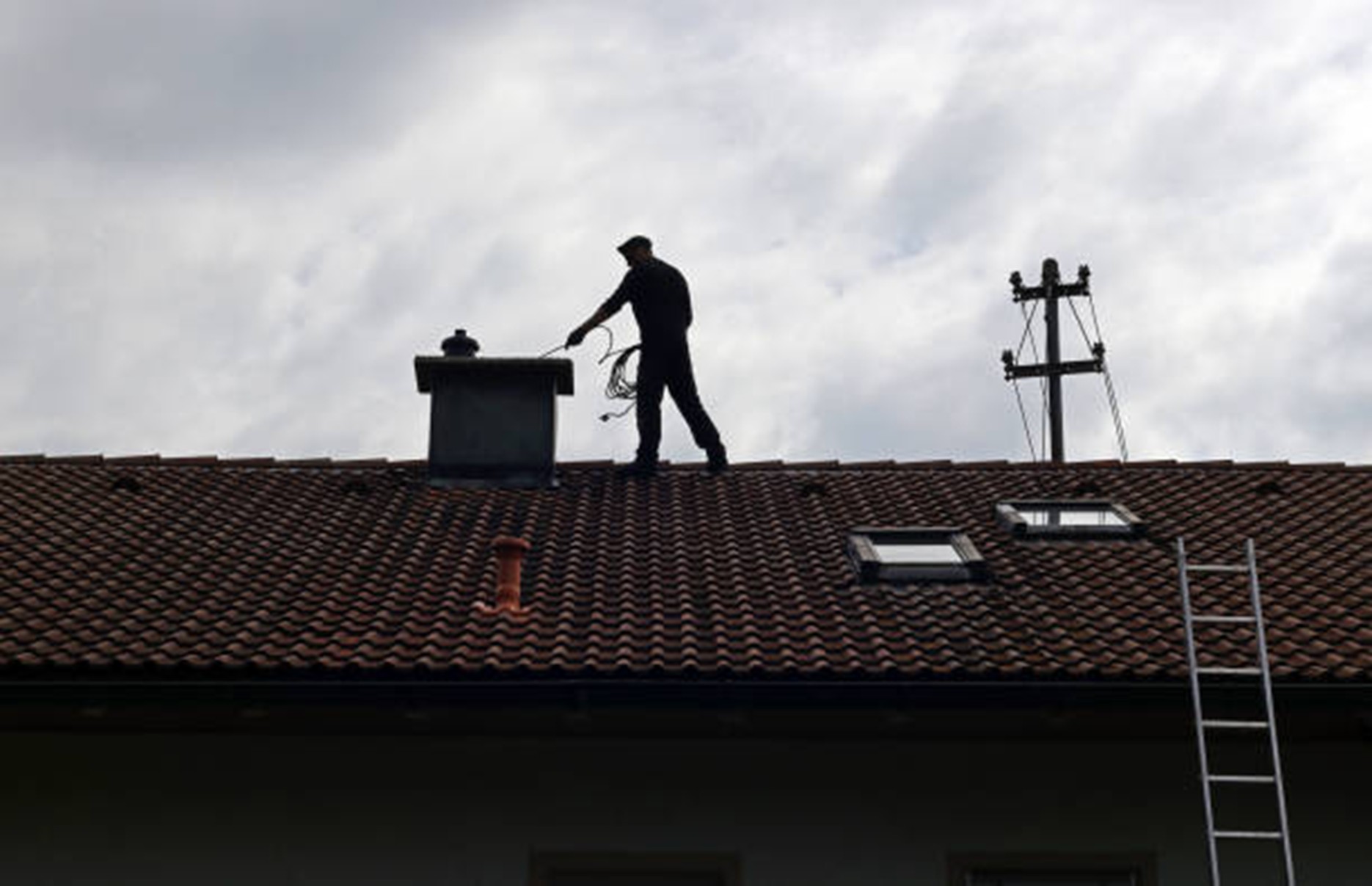
Chimney Sweeping
Cleaning removes:
- Creosote deposits
- Soot accumulation
- Animal nests
- Debris
This improves airflow and reduces fire risks.
Firebox Inspection
Professionals check for:
- Cracks
- Loose bricks
- Damaged mortar
- Heat-related deterioration
Chimney Crown Evaluation
The crown protects the chimney from moisture intrusion. Inspections help identify cracks or damage that may allow water penetration.
Flashing Inspection
Flashing seals the connection between the chimney and roof. Damaged flashing is a common source of leaks and should be evaluated annually.
Warning Signs That Maintenance Is Needed
While annual inspections are recommended, homeowners should also watch for signs that indicate immediate attention may be necessary.
These warning signs include:
- Smoke entering the room
- Strong odors coming from the fireplace
- Visible masonry cracks
- White staining on brick surfaces
- Rust on metal components
- Water stains near the fireplace
- Difficulty starting fires
- Animal noises in the chimney
Prompt action can prevent these issues from developing into larger problems.
Peace of Mind for Homeowners
Perhaps the most valuable benefit of annual fireplace maintenance is peace of mind.
Knowing that your fireplace has been professionally inspected and serviced allows you to enjoy it without worrying about hidden hazards.
Routine maintenance helps ensure:
- Safe operation
- Reliable performance
- Reduced fire risks
- Improved efficiency
- Long-term durability
This confidence makes fireplace use more enjoyable for homeowners and their families.
Conclusion
Annual fireplace maintenance is a simple yet essential investment in the safety, efficiency, and longevity of your home. Regular inspections and cleaning help prevent chimney fires, reduce carbon monoxide risks, detect structural damage early, and protect against costly water intrusion. In addition, routine maintenance improves fireplace performance, extends the life of critical components, and helps maintain property value.
Rather than waiting for visible problems to appear, homeowners should view annual fireplace maintenance as preventive care that protects both their investment and their family. By scheduling professional inspections and addressing minor issues promptly, you can enjoy the warmth, beauty, and comfort of your fireplace for many years while ensuring long-term safety and reliability.